The machine arrives. The delivery person looks around and asks, “Where do you want it?” Most people point to the nearest corner. Behind the sofa. Next to the curtains. Somewhere out of the way.
That’s usually the wrong spot. An oxygen concentrator pulls in room air, filters it, and gives you concentrated oxygen. If it can’t get air, it can’t do its job. If it gets too hot, it works harder and wears out faster.
So where should you place an oxygen concentrator at home? This guide gives you a straight answer. It covers ventilation, space around the air vents, heat, dust, and electrical access. Let’s start with the room.
Where Should You Place an Oxygen Concentrator in a Room?
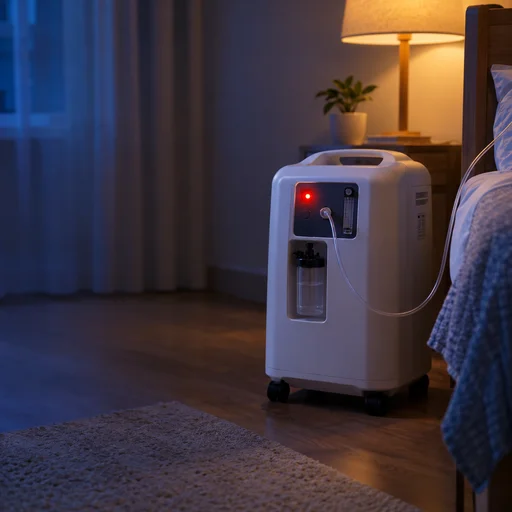
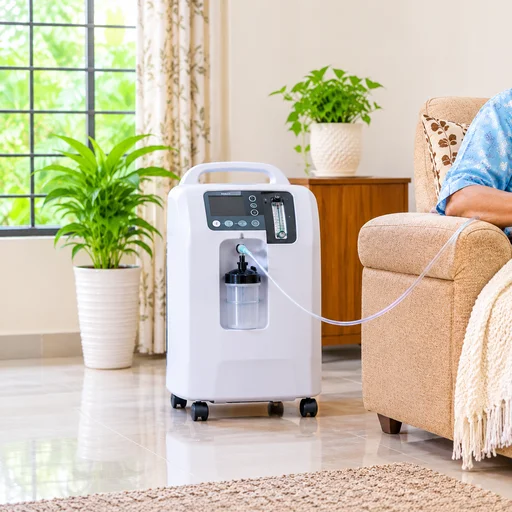
Short answer: in an open, well-ventilated spot, on a hard and flat floor, close to where you sit or sleep.
What Makes a Spot Good?
Closer is better, up to a point. Less tubing on the floor means fewer trips and falls, as this NHS brochure from Air Liquide points out.
Look for a spot with free airflow and a flat surface. Avoid deep pile carpet, which can get in the way of the unit, according to the Lifestyle LM5A manual. Also make sure you can hear the machine’s alarms from where you usually are, as the Caire Companion manual advises.
Which Rooms Should You Avoid?
Skip the kitchen and the bathroom. A kitchen means grease, heat, and often a gas stove. A bathroom means moisture. The NCOA lists gas stoves as something to keep your oxygen equipment away from. It also says to never keep oxygen in closets or other enclosed spaces.
How Much Space Does an Oxygen Concentrator Need Around Its Vents?
More than most people think.
Why Do the Air Vents Matter?
Think of the vents as the machine’s nose and mouth. Room air goes in on one side. Warm air goes out on another. Block either one and the machine can’t breathe.
Invacare’s manual says to never block the air openings. It also says to keep them free of lint and hair.
How Far Should It Sit From Walls and Curtains?
Here’s where it gets specific. Every brand sets its own minimum gap.
| Source | Minimum gap |
|---|---|
| Invacare IRC5PO2V manual | 3 inches (about 8 cm) |
| Lifestyle LM5A manual | 4 inches (10 cm) |
| Caire Companion manual | 12 inches (30 cm) |
| Air Liquide / NHS brochure | 1 foot (30 cm) |
Your own manual wins. If you don’t have it, use 30 cm on every side. It’s the safest number on the list, and it’s easy to measure with a ruler.
Can You Put It on a Bed or Sofa?
No. Soft surfaces can block the vents, and the unit can tip over. Both the Invacare and Lifestyle manuals warn against it.
Don’t stack things on top either. The American Lung Association says to never place anything over the machine. That includes clothes, books, and a towel.
Does Heat or Dust Change Where You Place an Oxygen Concentrator at Home?
Yes. Both shorten the life of the machine.
Which Heat Sources Should You Keep It Away From?
Keep it away from heaters, radiators, and hot air vents. The Lifestyle manual says this directly. In Dhaka summers, pick the coolest room that still has good airflow.
Open flames need more distance. Hackensack Meridian Health says to stay at least 5 feet (about 1.5 meters) away from them. That covers candles, incense, and fireplaces.
How Do You Keep Dust Out?
Dust is the quiet problem. Oxygen Times says to avoid using the machine in dusty places. So don’t park it next to a window facing a busy road or a room under construction.
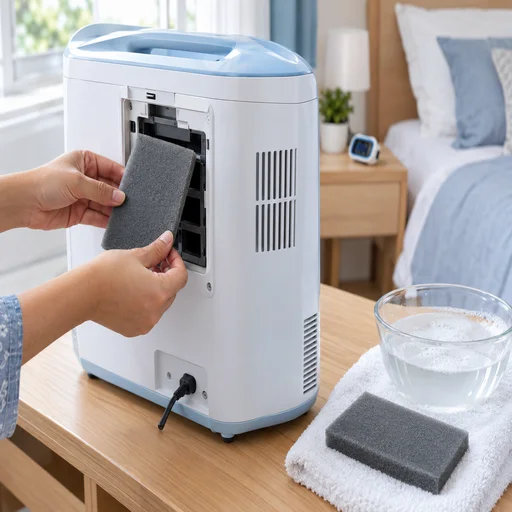
Then check the filter. It’s usually a small foam piece on the back or side that catches dust. Kent Community Health NHS says to clean it weekly. Wash it, let it dry fully, and put it back.
What Is the Safest Way to Plug In an Oxygen Concentrator at Home?
Place it near a wall socket. The plug should reach the outlet without stretching.
Why Skip the Extension Cord?
The AirSep manual says extension cords can hurt the machine’s performance. It also warns that too many plugs in one outlet can overload the circuit. So give the concentrator its own wall socket.
Do You Need a Voltage Stabilizer?
It’s not required, but Oxygen Times recommends one. After a power cut, electricity can return at a higher voltage. That can strain the compressor, which is the part that does the heavy work inside the machine. If voltage swings are common in your area, ask your technician which stabilizer suits your model.
What Happens During a Power Cut?
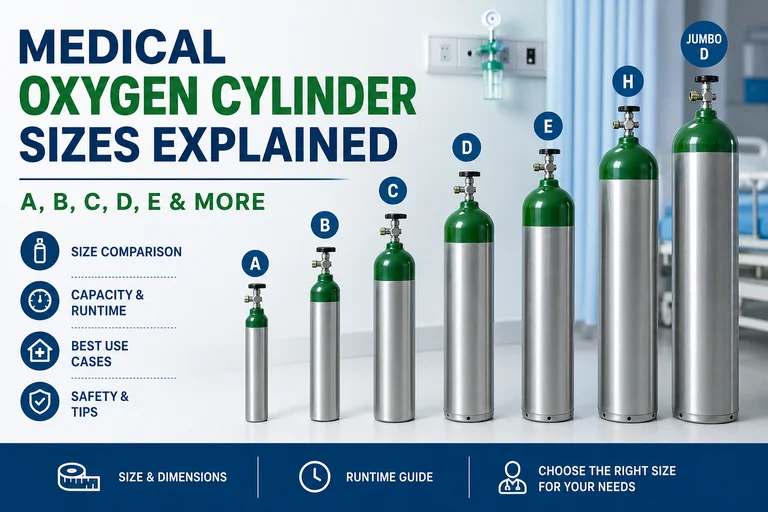
The machine stops. Have a plan before it happens. A backup oxygen cylinder gives you oxygen when the power is out. Keep it somewhere easy to reach.
What Else Should You Check Before You Switch It On?
A few last things.
Is the Area Fire Safe?
Oxygen makes fires burn faster. No smoking in the room. No candles. The American Lung Association also says to keep a working smoke alarm and a fire extinguisher close by.
Are You Checking Your Levels?
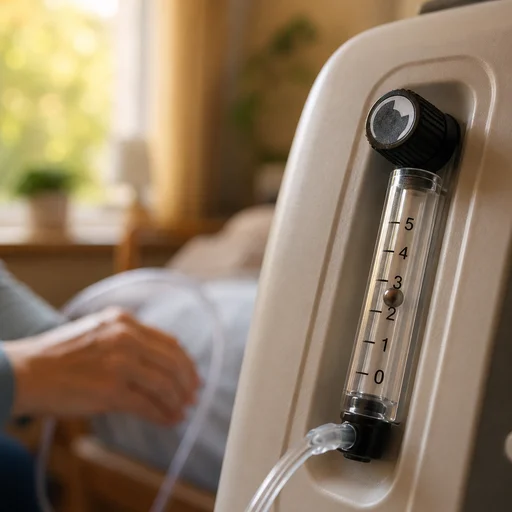
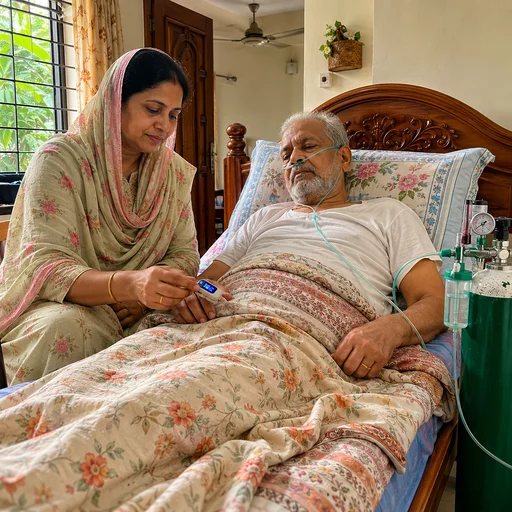
Where you place the machine doesn’t change your prescribed flow rate. Your doctor sets that. A pulse oximeter clips on your finger and shows your oxygen level in seconds. If the numbers drop and you feel unwell, call your doctor.
Your Quick Placement Checklist
Three things matter most. Leave space around the vents. Keep the machine away from heat and dust. Plug it straight into the wall.
If you’re still choosing a machine, the Yuwell 7F-5 5L oxygen concentrator is a solid home option. Not sure which size you need? Talk to our team. We’ll help you pick a machine and a good spot for it.
Call us at 01714558407