There are moments in medicine where seconds count. A blocked airway. A patient is unable to cough. A surgical field is filling with blood faster than the surgeon can work. In those moments, one device does the quiet, unglamorous work of keeping people alive — the suction machine.
Most people have never thought about suction machines. Then they need one. And suddenly, it becomes the most important piece of equipment in the room.
So let’s break it down properly.
What Is a Suction Machine?
A suction machine — also called a medical aspirator — is a device designed to remove unwanted fluids from a patient’s body. We’re talking mucus, blood, saliva, vomit, and other secretions that can block airways or contaminate a surgical site.
It’s not complicated in concept. But in practice, it’s one of the most relied-upon tools in clinical care.
Suction machines are used across hospitals, ambulances, clinics, and even at home, particularly for patients managing chronic respiratory conditions. If a patient cannot clear their airway on their own, the suction machine does it for them.
The first version of this device was introduced back in 1869 by a French cardiologist named Pierre Carl Edouard Potain — which means this technology has been saving lives for over 150 years. Modern versions are dramatically more capable, but the core idea has never changed.
How Does a Suction Machine Work?
Here’s the short version: it creates negative pressure (a vacuum) and uses that pressure difference to pull fluids out of the body.
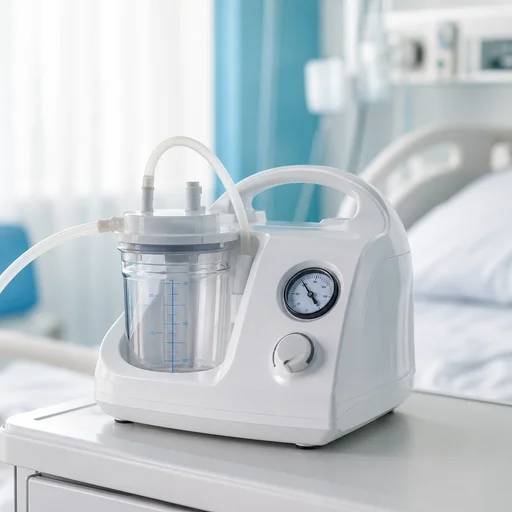
The suction pump generates negative pressure, which is transmitted through tubing to the collection canister, where the extracted fluids are stored. Think of it like a very precise, medically controlled vacuum cleaner — one you would never, under any circumstances, confuse with the one in your living room.
The process starts when the pump runs. Air gets pulled out of a sealed system. That drop in pressure creates a force that draws fluid through the catheter (a thin tube placed near or into the airway or wound). The fluid travels through the connecting tubing and collects in a canister. Clean air passes through a filter to protect the machine’s internal components.
Simple physics. Serious results.
What Is a Suction Machine Used For?
This is where things get broad. The applications go well beyond just clearing a blocked throat.
Airway clearance is the most common use. Suction machines are vital for clearing a patient’s airway of secretions that could block the flow of air, especially in cases of respiratory distress or during intubation.
Emergency situations are where the machine earns its reputation. In emergency settings, such as after a trauma or during cardiac arrest, suction machines are used to quickly remove vomit, blood, or other obstructions to ensure the airway remains clear.
Surgery is another major setting. During surgeries involving the chest, abdomen, or head, suction machines help maintain a clear surgical field by continuously removing blood and other fluids.
Then there’s home care. Patients with conditions like COPD, ALS, or cystic fibrosis often cannot clear secretions on their own. Portable suction machines are battery-operated and easily transported, making them useful for patients receiving palliative care or those who cannot clear secretions independently.
What Are the Main Parts of a Suction Machine?
Understanding the components helps you understand how the whole system holds together.
Vacuum pump: The heart of the machine. It generates the negative pressure needed to remove fluids.
Connecting tubes: Link the vacuum pump to the collection canister. Sterile patient tube: Carries secretions from the patient to the collection canister. Disposable canister: Collects secretions and prevents contamination of other machine parts. Filters: Protect the internal components from contamination by viruses, bacteria, dust, and gases.
Pressure regulator: Controls how much suction force is applied. This matters a lot. Too much suction on delicate tissue — in a child, for example, or an elderly patient — can cause damage. Some high-quality units include adjustable vacuum pressure, which allows you to dial back the pressure when working with pediatrics and geriatrics, protecting their fragile tissues.
Power source: Could be a wall outlet, a rechargeable battery, or in manual models, no electricity at all.
What Is Suction Pressure in a Suction Machine?
Suction pressure refers to the level of negative pressure the machine generates — essentially, how hard it pulls.
It’s measured in millimeters of mercury (mmHg). To suction liquid from the stomach, the suction pressure must be maintained from 100–120 mmHg. For more viscous liquid, it must be maintained from 300–400 mmHg.
Although perfect vacuums are difficult to achieve in clinical settings, suction devices are able to reach vacuums close to 736 mmHg. Low noise output and high flow rates above 100 L/min are also desired features.
Getting the pressure wrong is not a minor issue. Too little and the machine can’t clear the airway effectively. Too much and you risk damaging tissue. That’s why adjustable pressure controls matter, and why trained professionals should always operate or supervise the use of these devices.
Types of Suction Machines
Not all suction machines are the same. The right type depends entirely on the setting.
Manual suction machines operate without electricity or batteries, making them ideal for emergencies outside of hospitals. They are portable, compact, and lightweight. Wall-mounted suction machines are installed in hospital rooms or ambulances and deliver reliable, consistent suction. Portable suction machines are battery-operated and designed for mobility — useful for home care and palliative patients.
Suction Machine vs. Vacuum Pump: What’s the Difference?
People use these terms interchangeably sometimes, but they’re not the same thing.
While both pumps create areas of low pressure to move fluids, a suction pump relies on atmospheric pressure to draw liquids, whereas a vacuum pump removes air or gases from a sealed environment.
A medical suction machine is purpose-built for safe, controlled fluid removal from a patient. The pressure is regulated, the components are sterile, and the design meets clinical safety standards. A standard vacuum pump is an industrial or laboratory tool — not calibrated for biological material or patient safety.
In short: a suction machine uses vacuum pump technology as one of its core components, but the overall device is something far more specific and medically precise.
Final Thoughts
A suction machine is not a glamorous piece of equipment. It doesn’t get the attention that a ventilator or a defibrillator might. But in the moments when an airway is blocked and a patient cannot breathe, it does something irreplaceable.
If you are caring for someone at home with a chronic respiratory condition, or if you manage a clinic or healthcare facility in Bangladesh, having the right suction machine on hand is not optional — it’s essential.
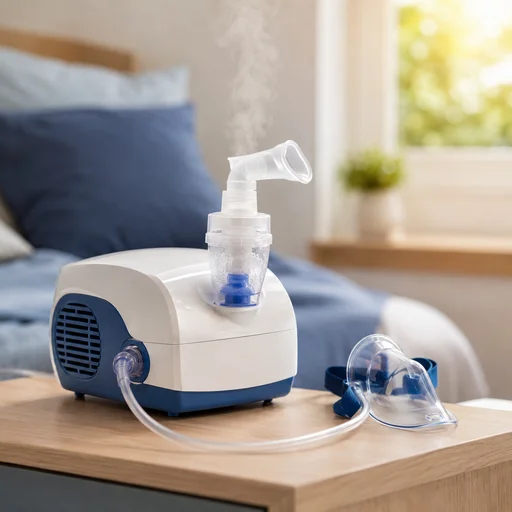
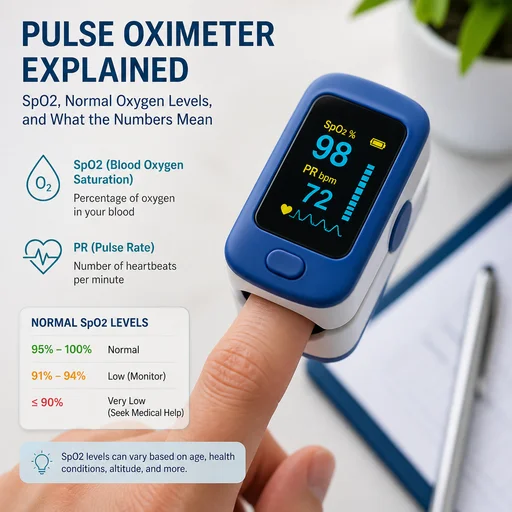
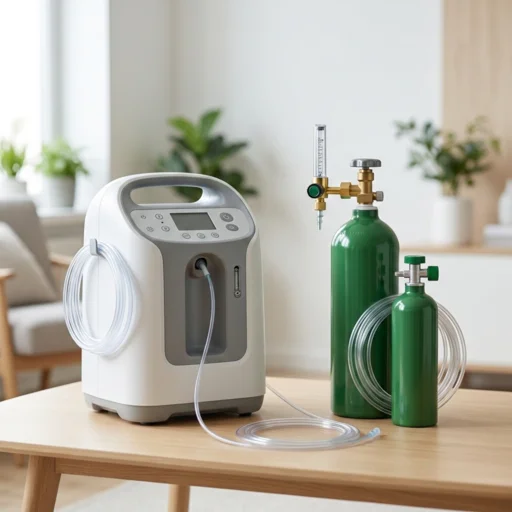
At Marium Oxygen, we supply medical-grade suction machines along with other critical equipment including oxygen cylinders, nebulizer machines, and pulse oximeters. We offer fast delivery within Dhaka and 24/7 customer support for urgent medical needs.
If you have questions about which suction machine is right for your situation, reach out. We’re here to help you make the right call.