You clip it on. Numbers pop up. You stare at them. Are they right? Should you be worried?
Most people who own a pulse oximeter have no idea they might be using it wrong. And when you’re tracking something as critical as blood oxygen, “close enough” isn’t really good enough. Here’s everything you need to know to use one properly.
What a Pulse Oximeter Actually Does
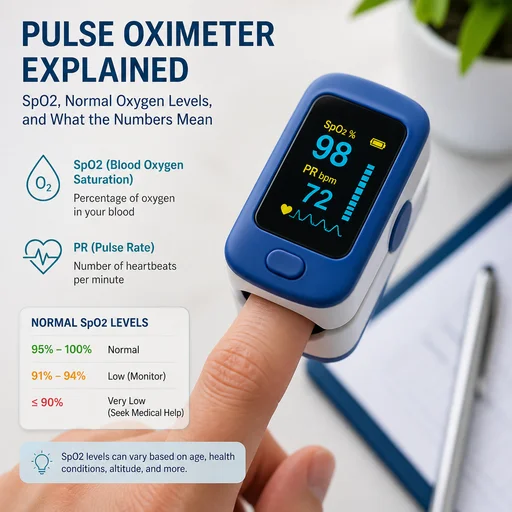
Before getting into technique, it helps to understand the basics. A pulse oximeter is a small clip-on device that uses light beams to estimate the oxygen saturation in your blood — shown as SpO2 — along with your pulse rate. It does this without drawing a single drop of blood, which is genuinely impressive.
Normal SpO2 levels typically fall between 95% and 100%. If your reading drops below 95%, that’s worth paying attention to. Below 90% is considered low and warrants a call to your doctor.
Which Finger Should You Use?
This one matters more than most people think.
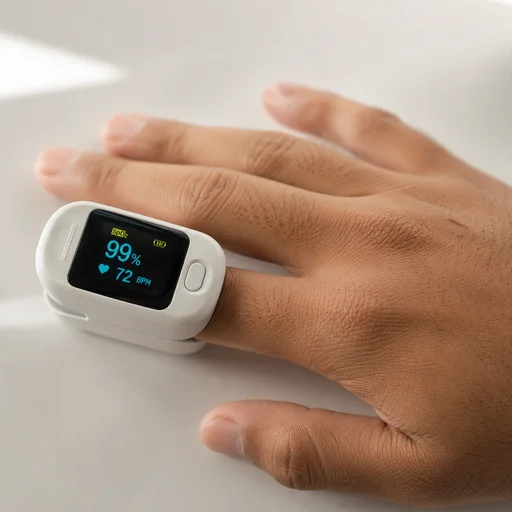
The index and middle fingers give the most reliable readings. Healthcare professionals almost always use one of these two. The middle finger tends to have a thicker, fleshier tip, which some devices read better. Either works.
Avoid your pinky or thumb. They’re less consistent and can throw off the reading.
How to Get an Accurate Reading: Step by Step
Getting the number right comes down to a few simple habits.
Make sure your hand is warm, relaxed, and resting below heart level before you clip on the device. Cold fingers restrict circulation and give you inaccurate results. If your hands are cold, rub them together for a minute first.
Remove any nail polish or artificial nails on the finger you’re using. The device works by passing light through your fingertip — nail polish, especially dark shades, can block that light and distort the reading.
Keep the oximeter in place for at least a minute, or longer if the reading keeps changing. Wait until the number stabilizes for at least five seconds before you record it. Don’t just glance at the first number that appears and walk away.
Sit still. Movement is one of the most common causes of inaccurate readings. Even small hand tremors can throw the sensor off.
Can You Use It on Your Toes or Ears?
Yes, in some cases.
Pulse oximeters can be placed on the finger, earlobe, or toe, depending on the device and the situation. Toe placement is often used in clinical settings when fingers aren’t accessible. Earlobe sensors exist too, though not all consumer-grade devices support them.
That said, finger placement is generally more accurate than the ear for standard home use. Stick to your finger unless a healthcare provider tells you otherwise.
How Long Should You Keep It On?
For a standard spot check, one to two minutes is enough — just enough time for the reading to stabilize.
Pulse oximeters are safe for intermittent monitoring, but continuous use may cause minor skin irritation or discomfort. If you wear one for extended periods, take breaks and rotate fingers.
For overnight monitoring — which some people with sleep apnea or chronic lung conditions do — purpose-built wearable oximeters are a better fit than standard fingertip clip-on models. They’re designed to stay on comfortably and account for movement during sleep.
Can Children Use Pulse Oximeters?
Yes, though with some caveats.
Pulse oximetry is widely used in pediatric care and is considered one of the key vital signs monitored in children with respiratory conditions. For home use, pediatric-specific oximeters exist with smaller probes designed to fit children’s fingers properly. Adult-sized devices may not sit correctly on small fingers, which affects accuracy.
For infants specifically, always consult your pediatrician before using a home oximeter. The American Academy of Pediatrics has cautioned against over-the-counter consumer devices that make medical claims for newborns — a medical-grade device prescribed by a doctor is a different matter entirely.
Are Pulse Oximeters Safe for Home Use?
Generally, yes. They’re non-invasive, pain-free, and carry no real physical risk when used properly.
The main thing to watch for is over-reliance. Pulse oximeters provide estimates, not definitive readings — they shouldn’t be the sole factor guiding health decisions. If you feel unwell, don’t wait for a low reading to seek help. Trust how you feel.
Accuracy can also be affected by skin pigmentation — research has shown pulse oximeters can overestimate oxygen levels in people with darker skin tones. This is an important limitation to be aware of.
How Often Should You Check Your Oxygen Levels?
It depends entirely on why you’re monitoring.
For most people tracking their oxygen levels at home — say, during a respiratory illness or post-surgery recovery — checking three times a day at consistent times and recording each reading is a sensible approach. This gives you a clear trend over time rather than a single snapshot.
If your doctor has prescribed regular monitoring, follow their specific guidance. For healthy individuals with no underlying condition, there’s no real reason to check daily.
Is It Safe to Use a Pulse Oximeter All Day or During Sleep?
All day: not ideal. The clip-on design isn’t built for extended continuous wear. You’ll get discomfort, skin pressure, and potentially unreliable readings as the device shifts around.
During sleep: it depends on the device. Standard fingertip oximeters aren’t designed for overnight use. If nighttime monitoring is something you need — for sleep apnea, COPD, or similar conditions — look into wearable ring-style oximeters that are purpose-built for overnight tracking.
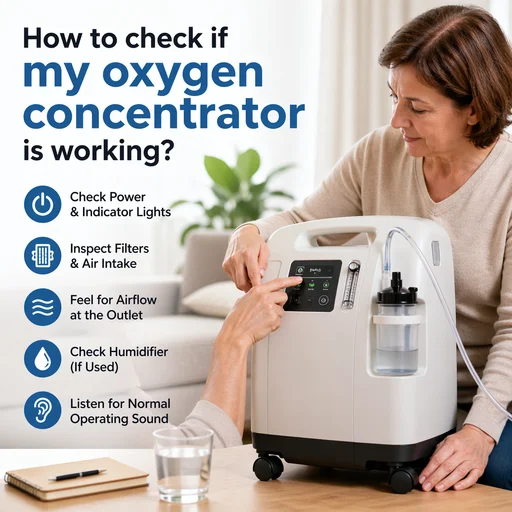
If you’re managing a chronic respiratory condition and need home oxygen support alongside monitoring, equipment like oxygen concentrators or CPAP machines is often part of the same care setup.
Final Thoughts
A pulse oximeter is a genuinely useful tool. Warm hands, the right finger, no nail polish, and a full minute of stillness — that’s really all it takes to get a reading you can trust.
But remember: it’s a monitoring tool, not a diagnostic one. Use the numbers as one piece of the picture. If something feels off, talk to a doctor.