Why This Check Actually Matters
A properly functioning oxygen concentrator should deliver oxygen at 90–96% purity. When that number drops — to 85%, 80%, or lower — the person depending on it isn’t getting the therapy they need. And the tricky part? The machine keeps running. No obvious sign anything is wrong.
That’s why knowing how to check oxygen concentrator output isn’t just for tech-savvy caregivers. It’s a basic skill anyone managing home oxygen therapy should have.
Step-by-Step: How to Check If Your Oxygen Concentrator Is Working
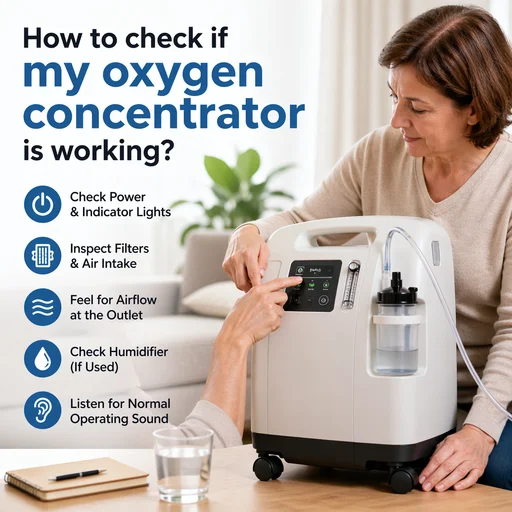
1. Check the Power & Indicator Lights
A working concentrator shows a steady green light near the power switch. Yellow or red lights during the first 10–15 minutes after startup are normal. If they stay on after that, something needs attention.
2. Inspect the Filters & Air Intake
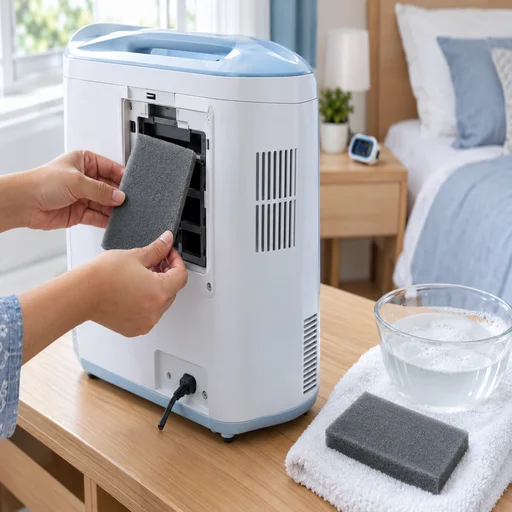
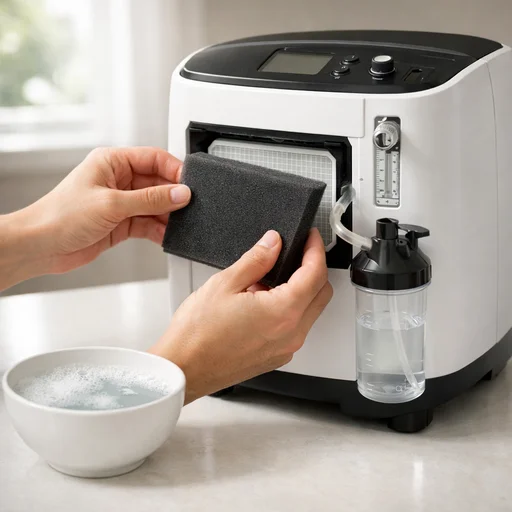
The gross particle filter (the foam or mesh filter on the outside) cleans the air before it enters the machine. If it’s clogged with dust, the concentrator simply can’t produce high-purity oxygen. Check it weekly. Clean it with water and let it dry fully before reinserting.
3. Feel for Airflow at the Outlet
Place your hand near the oxygen outlet. There should be a steady, noticeable airflow. Weak or intermittent flow points to a blockage in the tubing, a kinked cannula, or an internal issue with the compressor.
4. Check the Humidifier Bottle (If Used)
If your setup includes a humidifier bottle, it should be bubbling when the machine runs. No bubbles means the connection is loose or blocked. Also — only use distilled water. Tap water leaves mineral deposits that clog internal components over time.
5. Listen for Normal Operating Sound
Concentrators make a steady, rhythmic cycling sound. That’s normal. A machine that suddenly sounds louder, rattles, or produces an alarm tone is telling you something is off. Don’t ignore it.
6. Monitor the Patient’s Oxygen Saturation
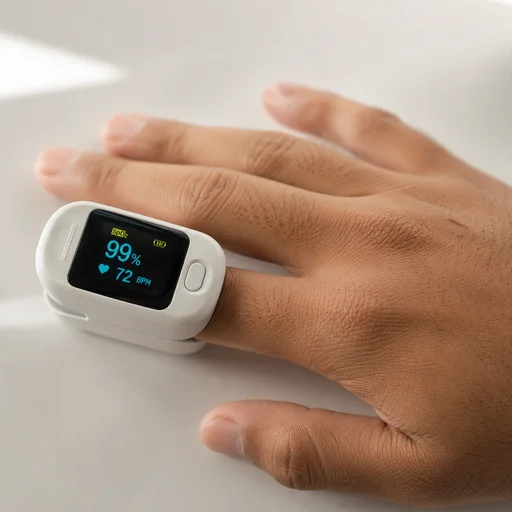
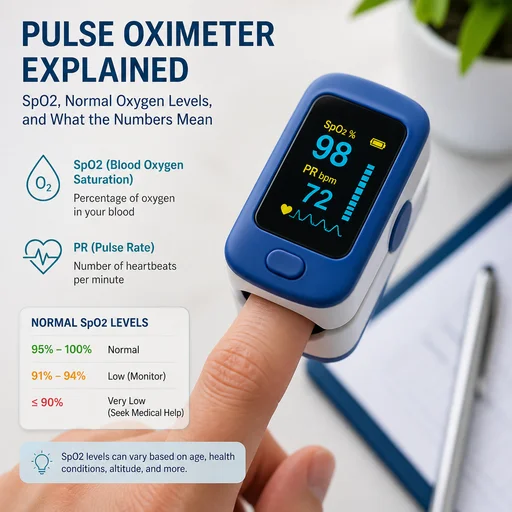
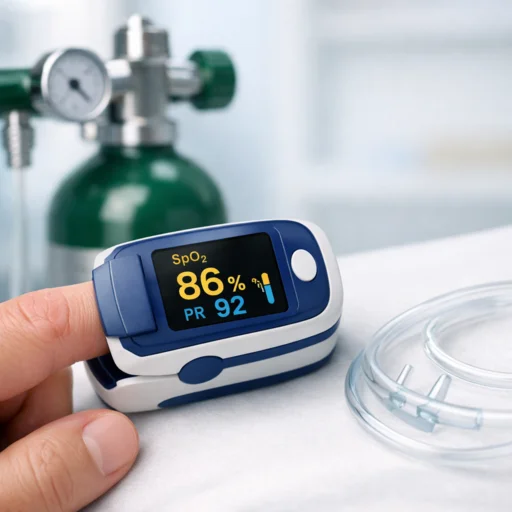
This one is the most practical real-world check. A pulse oximeter clipped to the fingertip gives you an immediate SpO₂ reading. If levels are lower than expected despite the machine running normally, the concentrator output may be the issue.
Quick tip: A pulse oximeter is one of the most useful tools you can keep at home alongside your concentrator. It gives you real-time feedback on whether the oxygen therapy is actually working — not just whether the machine is running.
The One Thing That Can’t Be Checked at Home
Here’s where most guides stop short. All the checks above tell you whether the machine is functioning — but they don’t tell you the actual oxygen purity percentage coming out of the outlet.
The only way to know that with certainty is through an oxygen purity analyzer. These handheld devices measure the exact concentration of oxygen being delivered. Some newer concentrators have a built-in purity sensor (look for designations like “SenseO2” or “OPI” on the unit). If your machine has this, a green light after 20 minutes of runtime means it’s delivering medically acceptable oxygen — at least 87% purity.
If your machine doesn’t have a built-in sensor, your oxygen supplier can test it for you with a handheld analyzer. Most reputable suppliers offer this as a basic service.
⚠️ Never test oxygen output with an open flame. It’s extremely dangerous. High-concentration oxygen ignites rapidly. If you’ve seen this suggested somewhere online, ignore it completely.
Warning Signs That Something Is Wrong
Watch Out For:
These are the signs that your concentrator may not be performing properly — and that it’s time to act:
The patient feels more breathless than usual despite the machine running normally. This is often the first and clearest sign that oxygen purity has dropped.
Persistent red or yellow alarm lights after the 15-minute startup window. These aren’t decorative. They mean something.
Unusual noise — louder cycling, rattling, or a grinding sound — often points to compressor problems or loose internal components.
The machine overheats. Concentrators need breathing room — at least 6 to 12 inches of clearance from walls and furniture. Blocked ventilation leads to overheating, which degrades performance and can permanently damage internal parts.
Condensation or visible blockage in the tubing. Check the cannula and oxygen line regularly. Kinks, moisture buildup, and wear all restrict airflow.
Regular Maintenance Makes a Real Difference
Most concentrator problems are preventable. A machine that’s cleaned and maintained properly will last years longer and deliver more consistent oxygen purity than one that’s ignored.
A simple routine: clean the external filter weekly, check tubing and cannula connections every few days, use distilled water in the humidifier, and schedule a professional purity check every few months — especially if the machine is older or has high hours of use.
If your concentrator has more than 15,000 hours on it, the internal sieve beds (the components that actually separate nitrogen from oxygen) may be wearing out. At that point, a professional service is worth it before assuming the machine is fine.
When to Call for Help
Some issues can be fixed at home. A clogged filter, a loose tube connection, a humidifier refill — these are manageable. But if alarms persist after basic troubleshooting, oxygen saturation stays low, or the machine keeps shutting down on its own, it’s time to get professional eyes on it.
Don’t attempt to open the machine or repair internal parts yourself. Beyond the safety risk, it usually voids the warranty. And with a medical device, that’s not a gamble worth taking.
Need a Reliable Oxygen Concentrator in Dhaka?
Marium Oxygen is a government-approved oxygen supplier serving the Dhaka division 24/7. We sell, rent, and service oxygen concentrators — with free delivery inside Dhaka in 60 minutes or less.
The Short Version
To check oxygen concentrator performance at home: look at the indicator lights, inspect and clean the filter, verify airflow at the outlet, check the humidifier if you use one, listen for unusual sounds, and track the patient’s oxygen saturation with a pulse oximeter.
For actual purity testing, rely on a professional or a machine with a built-in sensor. The machine running is not the same as the machine working. Know the difference — it genuinely matters for the person depending on it.