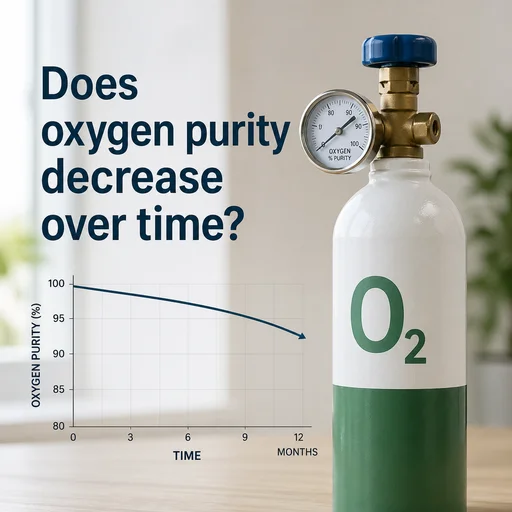
It’s a fair question. And if you’re using oxygen for medical purposes, it’s an important one.
You’ve got a cylinder sitting there, maybe half-used, maybe sitting in a corner for a few weeks. And at the back of your mind is a small but nagging thought: is this still good? Does the oxygen inside change? Does it get weaker? Does purity drop just from sitting there?
The short answer is: not really. But there’s more to it than that.
What “Oxygen Purity” Actually Means
Purity refers to what percentage of the gas in your cylinder is actually oxygen. Medical operations typically require oxygen purity ranging between 90 and 99%. For context, the air we breathe is only about 21% oxygen. Everything else is nitrogen, argon, and trace gases.
To be labeled as medical-grade oxygen, a cylinder must contain a documented minimum of 99.0% oxygen by volume and be odor free. That’s the standard. That’s what a properly filled and sealed cylinder should contain when it leaves the supplier.
Now here’s the thing people often get wrong: they assume oxygen degrades like milk. It doesn’t.
Does the Oxygen Molecule Itself Change?
No. When oxygen is stored in compressed gas cylinders, the oxygen molecule itself does not chemically degrade. O2 is O2. It doesn’t break down into something else just because time passes.
So why do cylinders have shelf lives at all? Why do suppliers put dates on them?
Because the concern isn’t the oxygen. It’s everything around the oxygen.
What Actually Causes Purity to Drop
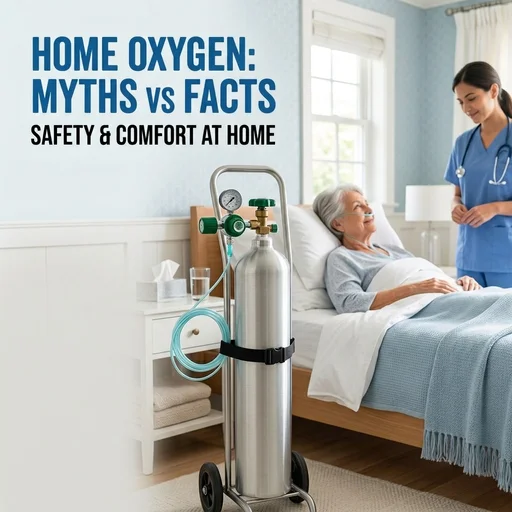
The “shelf life” associated with oxygen containers refers to the purity of the gas and the integrity of the cylinder. Contaminants like moisture, oil, or grease from manufacturing or improper handling can compromise the gas’s purity, and the container itself can also pose issues, as an aging cylinder might develop microscopic fractures or weakened seals, leading to leaks or structural issues.
Think about it this way. A perfectly sealed, clean cylinder filled with medical-grade oxygen will hold that oxygen almost indefinitely. But introduce a small amount of moisture during the filling process, and that moisture can react with the inner walls of the cylinder over time. That’s where purity takes a hit.
Poor storage is another culprit. Exposure to extreme temperatures or direct sunlight can weaken the tank and valve. A compromised valve doesn’t just risk a leak. It can let outside air contaminate what’s inside.
The purity of the oxygen can diminish if the tank is not properly sealed or if it interacts with the tank’s inner surfaces. This is exactly why sourcing oxygen from a trusted, government-approved supplier matters. The filling process, the equipment used, the cleanliness of the cylinder before it’s refilled, all of this directly affects what you actually breathe.
The Cylinder Itself Has Its Own Timeline
The oxygen might be fine. The cylinder might not be.
The material used to construct the tank (typically steel or aluminum) can corrode over time, especially if exposed to moisture or harsh chemicals. Structurally, cylinders go through mandatory inspection cycles. An oxygen cylinder continues to be in compliance for use until it is presented to the refiller to be refilled after the expiration of the compliance period, whereupon the refiller must requalify the cylinder.
This is why regular refilling and inspection matters. Not because the oxygen went bad. But because the vessel holding it needs to be reliable.
If you’re using an oxygen cylinder at home for a family member, or keeping one on hand for emergencies, knowing the condition of your cylinder is just as important as knowing how full it is.
What About Oxygen Concentrators?
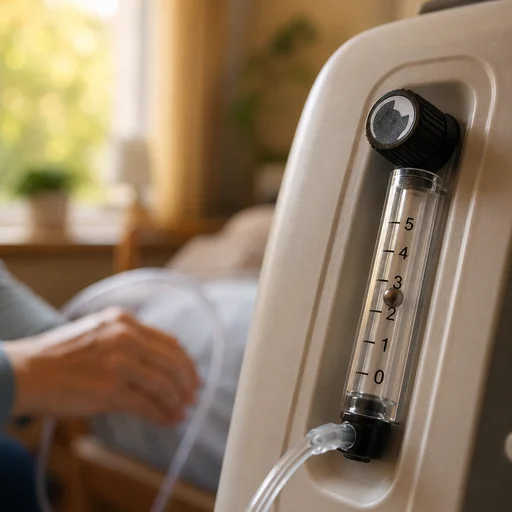
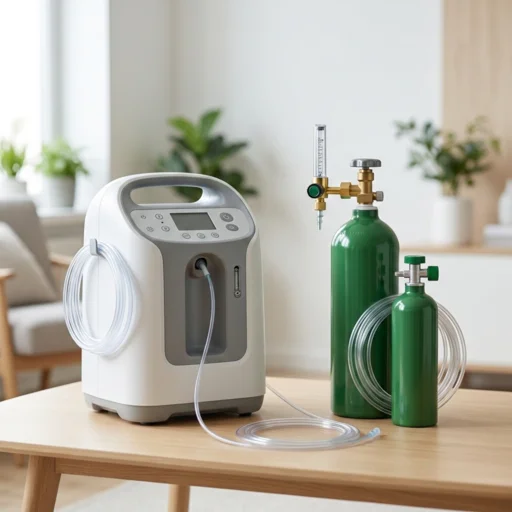
Concentrators work differently. Instead of storing pre-compressed oxygen, they pull air from the room and filter out everything that isn’t oxygen. Oxygen generators produce oxygen at a purity level of up to 99%. The purity question here shifts from storage to performance: a well-maintained concentrator delivers consistently pure oxygen, while a poorly maintained one might not.
If you’re weighing your options, an oxygen concentrator can be a reliable long-term solution, particularly for patients who need continuous oxygen at home.
So, Should You Worry?
Here’s what you actually need to keep in mind:
Buy from a reliable supplier. Contamination during filling is the most common cause of purity issues. A supplier cutting corners on equipment hygiene passes that problem on to you.
Store cylinders correctly. Keep them upright, away from direct heat, in a dry space. Don’t store them near anything flammable.
Get your cylinders refilled regularly. Don’t let a cylinder sit for years unused. Even if the oxygen is technically fine, the cylinder itself needs to be checked and recertified periodically.
Watch for pressure drops. Signs of a leaking oxygen tank include a hissing sound or a decrease in tank pressure. A cylinder losing pressure without being used is a red flag.
Summary
Oxygen purity doesn’t just quietly disappear over time. Pure oxygen, in a clean, sealed, well-maintained cylinder, will stay pure. The risks come from contamination, poor storage, aging seals, and cylinders that haven’t been properly inspected.
This is why choosing a trusted oxygen supplier, one who handles filling with care and provides properly maintained equipment, is not a minor detail. It’s the whole thing.
At Marium Oxygen, we supply medical-grade oxygen across the Dhaka division, with free delivery, 24/7 support, and the peace of mind that comes from working with a government-approved supplier. Whether you need to buy, rent, or refill an oxygen cylinder, we’re available when you need us.
If you have any questions about your current oxygen supply or cylinder condition, reach out. That’s what we’re here for.