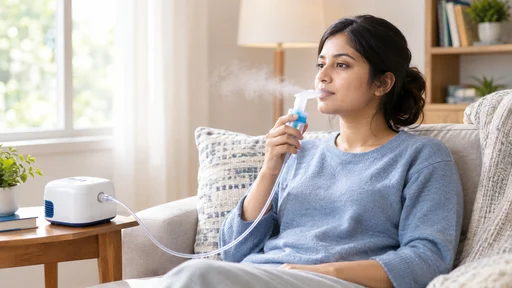
You’re sitting with the mask on your face, watching a thin mist rise and fade with each breath. Ten minutes in, you start wondering if something’s wrong, or if this is just how long a nebulizer treatment is supposed to take.
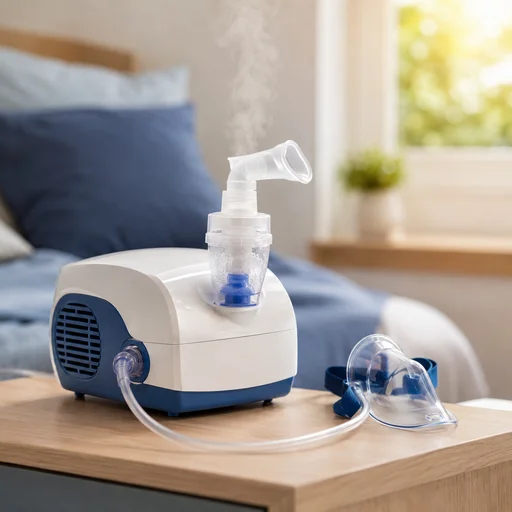
A nebulizer turns liquid medication into a fine mist you breathe in through a mask or mouthpiece. It sends medicine straight into your lungs, which is why doctors often prescribe it for asthma, COPD, and other breathing conditions.
For most people, treatment takes about 5 to 15 minutes. That’s the general range, but the exact time depends on a few specific things: which medication you’re using, what kind of nebulizer machine you have, and how you’re breathing during the session.
This guide walks through what a normal treatment time looks like, what can make it longer or shorter, and how you’ll know when you’re actually finished.
How Long Does a Nebulizer Treatment Take?
The Short Answer: 5 to 15 Minutes
Most sessions fall in that window, whether you’re using a nebulizer for a sudden asthma flare-up or as part of a daily routine for a chronic condition. The exact time depends on your medication and the kit you’re using, since different solutions and nebulizer cups work at different speeds.
Some people finish in five minutes. Others need closer to fifteen. Both are completely normal.
When a Treatment Runs Longer Than That
Quick-relief medications, the kind used during a flare-up, tend to nebulize fast. Medications for long-term management, like daily steroids or antibiotics, often need more time to work all the way through the cup, which can push a session closer to twenty minutes.
That’s not a sign anything’s broken. It’s just how that particular medication behaves in the machine.
What Affects Nebulizer Treatment Time
Let’s break down the specific things that change how long you’ll be sitting with that mask on.
Medication Type and Amount
Not all liquid medications are the same thickness. Thin solutions turn to mist quickly, while thicker suspensions and larger fill volumes take longer to break down, simply because there’s more liquid for the machine to work through.
If your doctor combines two medications into one treatment, expect that session to run a bit longer than a single-medication dose.
Nebulizer Type
Traditional jet, or compressor, nebulizers use an air pump to force medication through a nozzle. They’re reliable and affordable, but treatment times tend to run six to fifteen minutes per session.
Vibrating mesh nebulizers, like a portable mesh nebulizer, push liquid through a mesh with thousands of tiny holes instead. One clinical comparison in children found that mesh devices finished noticeably faster than jet nebulizers using the same medication and dose. Think of a jet nebulizer as a garden hose and a mesh nebulizer as a fine showerhead. Both get the job done, but one breaks the liquid into mist more efficiently.
Patient Breathing
Slow, steady breaths through the mouthpiece or mask pull medication deeper into your lungs and keep the mist moving at a consistent pace. Quick, shallow breaths can actually slow things down, since less medication gets delivered per breath.
If you’re using a mask instead of a mouthpiece, a little medication escapes around the edges no matter how well it fits. That’s normal, but it’s also why mouthpieces are often slightly more efficient when a patient can use one comfortably.
Device Condition
A clean, well-maintained nebulizer runs at full speed. Worn or dirty parts are one of the most common reasons a treatment starts taking noticeably longer than it used to.
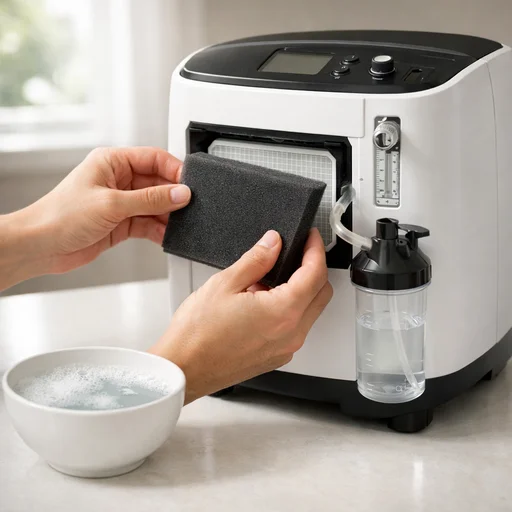
A clogged filter makes the compressor work harder for less output. A cracked or misassembled medicine cup can break the seal the machine needs to build mist properly.
How to Make Nebulizer Treatments More Efficient
A few small habits keep every session running at its normal pace.
Follow the Prescribed Dose
Stick to the exact amount your doctor prescribed. Adding extra medication “to be safe” just adds time to the treatment without extra benefit, and changing your dose without medical guidance isn’t something to do on your own.
Sit Upright and Breathe Steadily
Sitting up, rather than lying down, gives your lungs more room to draw in the mist. Slow, even breaths through the mouthpiece help the medication settle where it needs to go instead of bouncing back out.
Keep the Nebulizer Clean
Rinse the cup, mask, and mouthpiece after every use, and let them air dry completely before putting them away. A clean device is a fast device.
Check Tubing, Filters, and the Medication Cup
Get in the habit of glancing at the filter and tubing every few weeks. A filter that’s gone gray or a tube that’s cracked will quietly slow down your next few sessions until it’s replaced, and most manufacturers give a clear replacement schedule in the device manual.
How Often Should You Use a Nebulizer?
It Depends on What’s Prescribed
There’s no universal schedule. Most people use a nebulizer somewhere between one and four times a day, depending on their condition, their age, and which medication they’ve been prescribed. Some people only need it during flare-ups. Others use it on a fixed daily schedule to keep symptoms from starting in the first place.
Why You Shouldn’t Increase Frequency on Your Own
If you’re reaching for your nebulizer more often than your prescription allows, that’s usually a sign your treatment plan needs a second look, not a reason to add extra sessions on your own. Call your doctor if you notice yourself needing treatments closer together than what you were told to expect.
Signs Your Nebulizer Treatment Is Finished
What to Watch and Listen For
Watch the cup. Most treatments are finished once the medication cup is nearly empty and the mist has thinned out or stopped completely. You’ll often hear the sound change too, as the machine sputters through the last bit of liquid instead of producing a steady stream of mist.
Once you see that, the treatment has done its job. There’s no need to keep going after the cup runs dry, and your device manual will confirm exactly what “finished” looks like for your specific model.
What If a Nebulizer Treatment Takes Too Long?
If a treatment is consistently running past its normal time, start with the basics. Check the filter for discoloration, check the air tubing for kinks or cracks, and make sure the medicine cup is assembled the way the manual shows. Worn parts are a frequent, fixable cause of treatments that keep stretching longer than they should.
If you’ve checked everything and treatments still run much longer than expected, it’s worth a conversation with a healthcare professional. You can also get in touch with our team if you have questions about your specific device.
Common Questions About Nebulizer Treatment Time
Q. Can a nebulizer treatment take 20 minutes?
A. Yes. Medications used for long-term management, or larger combined doses, commonly push sessions closer to twenty minutes. That’s within the normal range for those medications.
Q. Why is my nebulizer taking longer than usual?
A. The most common cause is a worn or clogged part, usually the filter or the medicine cup. Check those first before assuming anything more serious is going on.
Q. Is it normal for nebulizer treatments to take 10 minutes?
A. Yes. Most sessions land between 10 and 15 minutes on average, so a 10-minute treatment is right in the normal range.
Q. Can I stop the treatment when the mist gets weak?
A. Not quite. A weak or fading mist usually means the treatment is close to finished, but stopping early can leave medication behind in the cup. Let it run until the mist stops or the manual says the dose is complete.
Q. How long should a child use a nebulizer?
A. It depends on the device and medication, but children often finish faster with mesh nebulizers than with jet nebulizers using the same dose, according to a clinical comparison in young asthma patients. Always follow the dose and duration your child’s doctor prescribed.
Typical Nebulizer Treatment Time by Device Type
| Nebulizer Type | Typical Treatment Time |
|---|---|
| Jet (compressor) nebulizer | 10–15 minutes |
| Vibrating mesh nebulizer | 5–8 minutes |
| Ultrasonic nebulizer | 5–10 minutes, varies by medication |
Conclusion
Most nebulizer treatments take between 5 and 15 minutes, and that’s true for the large majority of people using them at home or in a hospital setting. The exact number depends on your medication, your device, and a few habits you can control, like sitting upright and keeping your equipment clean.
If your sessions consistently run long, it’s usually a maintenance issue, not a medical one. And if you’re looking for a faster, quieter option, a Philips Family Nebulizer is worth considering for home use.
Call us at 01714558407.