Some medical emergencies announce themselves loudly. A broken bone, a seizure, a wound you can see. But oxygen deprivation is different. It creeps in quietly. By the time it becomes obvious, you may have already lost precious time.
Knowing when a patient urgently needs oxygen support is one of the most important things a caregiver, family member, or healthcare worker can know. Not because you should try to diagnose, but because you should know when to act fast.
Here is what to watch for.
The Body Starts Sending Signals Early
The good news is that the body rarely goes silent before an oxygen crisis. It protests. It compensates. It sends out distress signals if you know where to look.
The earliest warning signs of hypoxia, which is what doctors call low oxygen in the tissues, are anxiety, confusion, and restlessness. Not dramatic collapse. Just a person who seems unsettled, irritable, or oddly confused. This is where most people miss it, because those symptoms could mean anything.
But when they show up without a clear reason, alongside any kind of breathing difficulty, you should take them seriously.
Breathing That Looks Like Work
Normal breathing is something you barely notice. When someone urgently needs oxygen support, their breathing changes. It becomes visible effort.
Shortness of breath, clinically called dyspnea, is one of the most common early symptoms. You may notice the person cannot take a full breath, or they begin using muscles in the neck and chest to help them breathe, muscles that are not normally involved. That visible straining is a sign the body is working overtime.
A fast breathing rate matters here too. Acute hypoxia often presents with both dyspnea and tachypnea, meaning rapid breathing, and the severity of symptoms generally tracks with how low the oxygen levels have dropped.
Watch the chest. Watch the neck. Watch how hard they are working just to get air in.
The Heart Races to Compensate
When oxygen drops, the heart does not give up. It speeds up. It tries to push more blood through the body faster to deliver whatever oxygen is left in circulation.
This means a fast heart rate, or tachycardia, is a key physical sign of hypoxia. On its own, a fast pulse means little. Combined with confusion, labored breathing, or pale skin, it becomes a serious warning.
Pallor, or an unusually pale appearance, is associated with early-stage hypoxia, occurring as the body constricts blood flow to the periphery. If a patient looks pale, sweaty, and is breathing fast with an elevated heart rate, that cluster of signs together warrants urgent attention.
Mental Changes Are a Red Flag
The brain is extremely sensitive to oxygen levels. When supply drops, mental function suffers fast.
Moderate hypoxia produces restlessness, headache, and confusion. Severe hypoxia can cause altered mental status and, if not corrected quickly, may progress to coma.
This is the sign most caregivers underestimate. A patient who suddenly seems disoriented, cannot follow a simple conversation, or becomes unusually agitated may not be “just confused.” They may be running low on oxygen.
Do not wait for it to get worse.
When the Lips and Nails Turn Blue
Cyanosis, the bluish discoloration of the lips, fingernails, or skin, is what most people associate with oxygen deprivation. And it is real. But here is the critical point.
Cyanosis is a late sign, not an early one. By the time you can see blue around someone’s lips, the situation has already moved well beyond the early warning phase. It is also an unreliable indicator, since not all patients with dangerously low oxygen levels actually develop visible cyanosis.
This is why you cannot wait for blue lips. The earlier signs, the restlessness, the fast breathing, the confusion, the pale skin, those are your real alerts.
What the Numbers Tell You
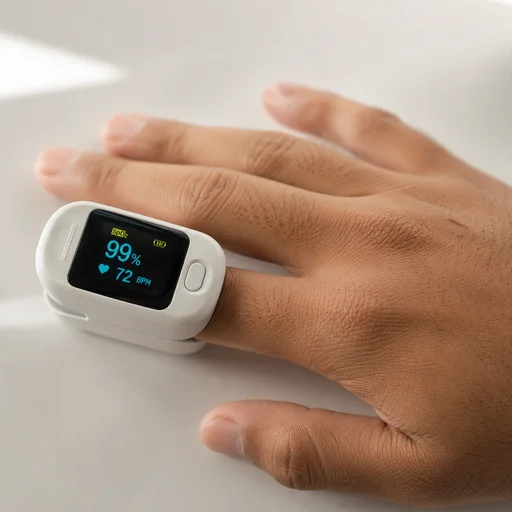
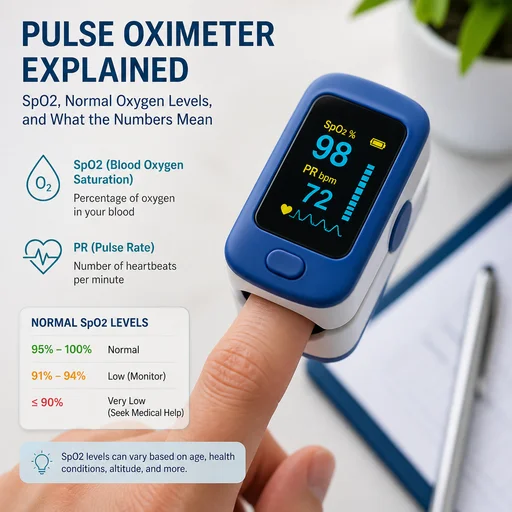
A pulse oximeter is one of the simplest tools available for catching oxygen problems before they become emergencies. It clips onto a finger and gives you a reading in seconds.
Normal oxygen saturation levels sit between 95% and 100%. Readings below 90% may indicate hypoxia. A reading of 92% is generally considered the lowest clinically acceptable level under normal conditions, while in cases of chronic lung disease, that threshold drops to around 88%.
If you are caring for someone at home with a respiratory condition, COPD, heart failure, or recovering from illness, having a pulse oximeter on hand gives you a concrete number to act on. It takes the guesswork out of it.
Who Is Most at Risk
People living with heart or lung diseases such as COPD, emphysema, or asthma are at higher risk for hypoxia. Infections like pneumonia, influenza, and COVID-19 can also significantly increase that risk.
For patients in these categories, the warning signs above should be treated as urgent from the start. The window between early warning and critical deterioration is shorter.
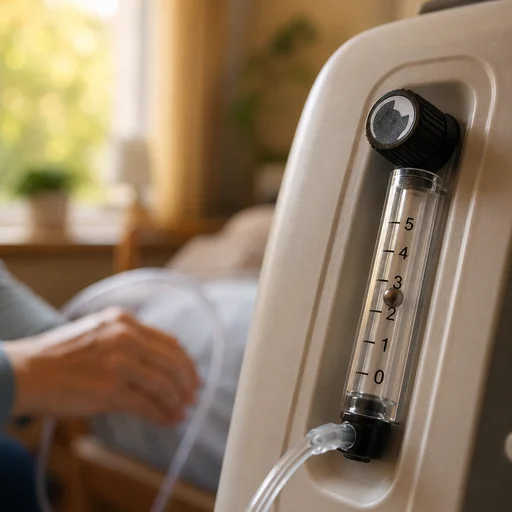
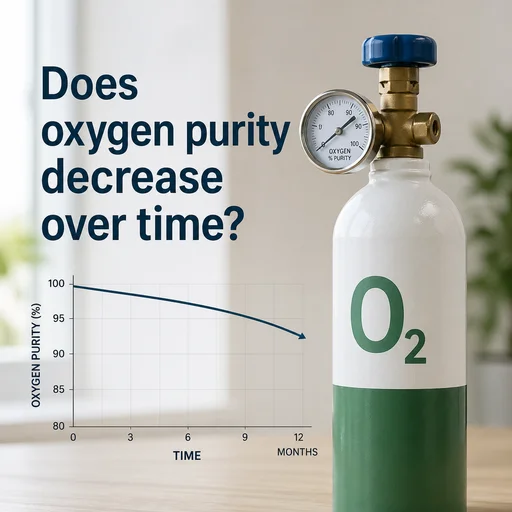
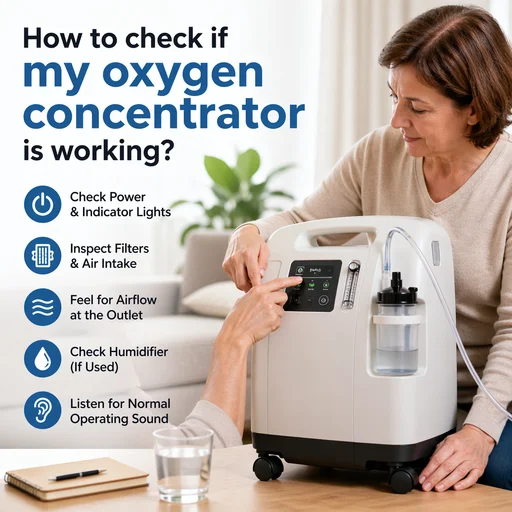
If someone in this group has an oxygen cylinder or oxygen concentrator at home, knowing the warning signs ensures it gets used at the right time, not too late.
When to Act
You do not need a medical degree to act on these signs. You need to trust what you are seeing.
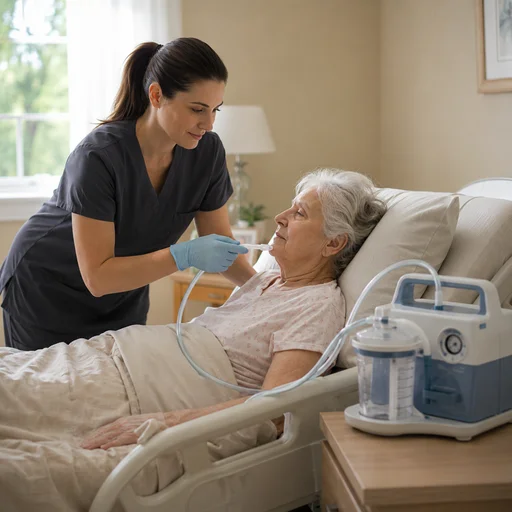
If a patient shows confusion, fast breathing, a racing heart, and visible effort to breathe, especially if they have an underlying condition, they urgently need oxygen support. Call for help. Do not wait for cyanosis. Do not wait for the numbers to hit a dramatic low.
Early detection and treatment of hypoxia directly improves outcomes. Untreated, it leads to cellular damage, organ failure, and cardiac arrest.
Time is the variable you can actually control.
Key Takeaway
The early warning signs of oxygen crisis are subtle but recognizable. Unexplained anxiety, labored breathing, confusion, pale skin, and a fast pulse are your signals to act. A pulse oximeter gives you real-time data. And if you need oxygen support equipment delivered quickly, Marium Oxygen offers 24/7 service and 60-minute delivery within Dhaka city.