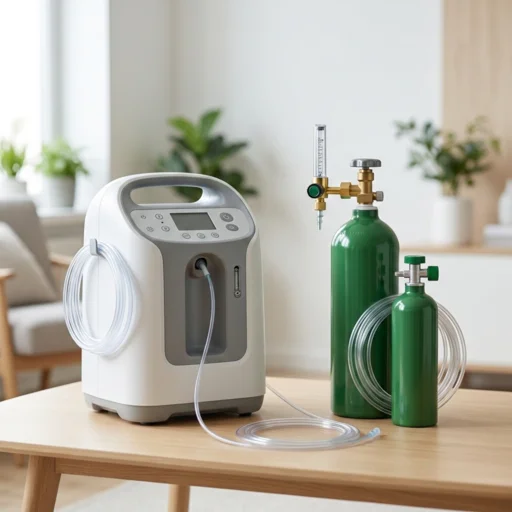
Look at the back of your oxygen concentrator. See that sponge or mesh panel? It’s collecting dust right now. Most people forget it’s there until the machine starts beeping.
That small filter protects every breath you take from the machine. When it clogs, the concentrator has to work harder to pull in air. That strains the motor and can lower the quality of your oxygen.
So how often should you replace oxygen concentrator filters? Here’s the short answer. Wash the main filter every week. Replace it every 6 to 12 months, or sooner if it’s damaged. Leave the internal filters to a technician.
Sources don’t agree on one exact number, and your model matters. This post gives you a safe range and tells you when to change a filter early. Let’s break it down.
How Often Should You Replace Oxygen Concentrator Filters?
Cleaning and replacing are two different jobs
Cleaning means washing the filter and putting it back. Replacing means fitting a new one. Most people need to clean much more often than they replace.
The Alpha-1 Foundation says the air filter should typically be washed once or twice a week. Lakeland Respiratory also washes sponge filters weekly and says to do it more often in a dusty home. The American Lung Association is more relaxed and suggests a monthly wash. A weekly habit costs you nothing, so start there.
Replacement happens less often. One DeVilbiss guide suggests about once a year for its 10 liter unit. Other makers only call for a new filter when the old one is damaged. Your manual has the final word.
The quick schedule
| Filter | Clean | Replace | Who does it |
|---|---|---|---|
| Washable intake filter (sponge or mesh) | Weekly, or monthly at the slowest. More often in dust | Every 6 to 12 months, or when torn, stiff, or warped | You |
| Fibre or secondary air filter (some models) | Rinse outer mesh weekly | About twice a year | You, if your manual allows |
| Internal bacteria filter | Don’t clean it | At service, as the manual says | Technician |
Which Oxygen Concentrator Filters Can You Change Yourself?
The intake filter on the outside
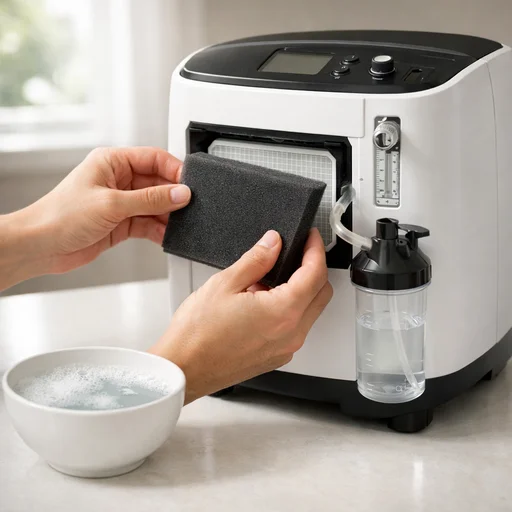
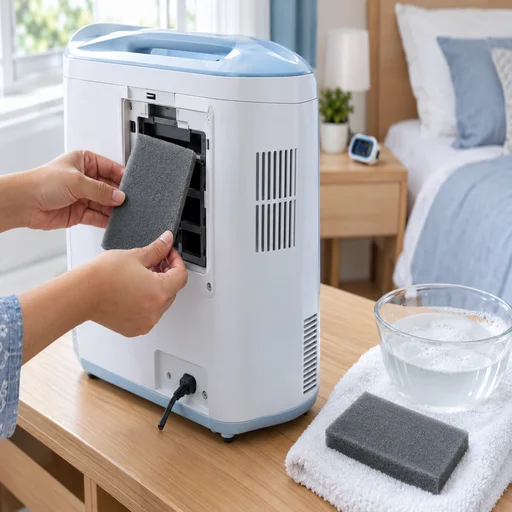
This is the one you’ll handle most. It sits on the back or side of the machine. It catches dust, hair, and pollen before they reach the inside.
You don’t need tools. Unplug the unit, pull the filter out, and fit the new one. Only use a filter made for your model. A filter that’s the wrong size can leave gaps, and dust will find them.
The internal bacteria filter
A bacteria filter is a fine filter inside the machine. It stops germs from reaching the oxygen you breathe. You can’t see it and shouldn’t touch it.
A summary of the Philips EverFlo manual says this filter should only be replaced by qualified service staff. Lakeland Respiratory has a technician check all filters every six months. If you aren’t sure when your last service was, talk to our team.
How Often Should You Clean the Filter in a Dusty City Like Dhaka?
Why Dhaka homes need a tighter routine
Dust isn’t a winter problem anymore. Dhaka TribuneDhaka Tribune reports that air pollution now lasts all year, and families say dust gets in even with the windows shut. Construction, traffic, and brick kilns all add to it.
Your filter is the first thing that dust hits. In Dhaka, treat the weekly wash as the minimum. Check it twice a week during the dry season or when building work is going on nearby.
How to wash the filter the right way
It takes five minutes. Here’s the routine:
- Unplug the concentrator.
- Pull out the filter.
- Wash it in warm water with a little mild dish soap.
- Rinse it well and pat it with a clean towel.
- Let it air dry completely before it goes back in.
Never put a wet filter back. Rapid Medical SuppliesRapid Medical Supplies is clear on this one. Don’t use a hair dryer or a clothes dryer either. Keep a spare filter so you can swap one in while the other dries. That way the machine is never running bare.
How Do You Know It’s Time to Replace the Filter Early?
Alarms, lights, and a machine that sounds strained
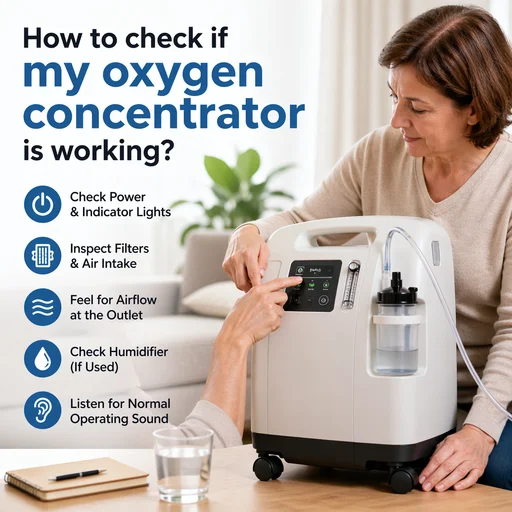
A blocked filter makes the compressor work harder. The compressor is the part that pulls in and squeezes the air. Rapid Medical Supplies says this can lower oxygen purity and set off low-purity alerts.
Watch for these signs:
- A yellow or red light with a beep
- A machine that sounds louder than usual
- Weaker airflow at the outlet
Washing the filter first is fine. If the alarm comes back, replace it.
Tears, stiffness, and dust you can see through the mesh
Hold the filter up to a light. If you can see dust packed into the mesh, or the foam is torn, stiff, or bent out of shape, swap it. Washing won’t fix damage.
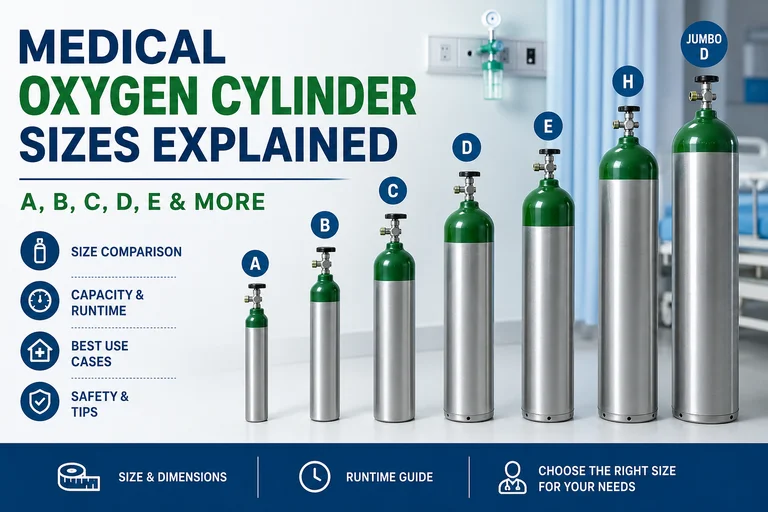
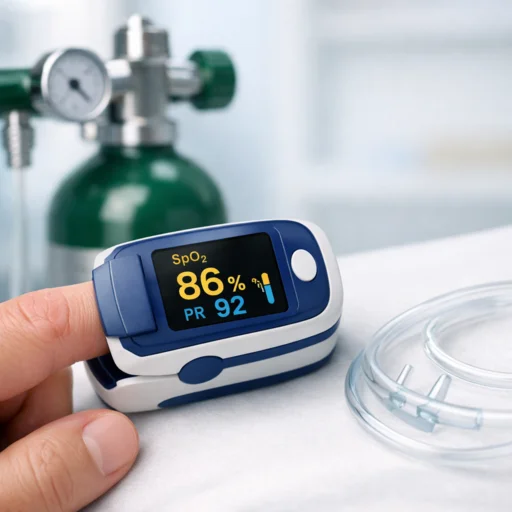
If the machine seems weak and you feel short of breath, check your oxygen level with a pulse oximeter. If the number is low, call your doctor or supplier. Keep a backup oxygen cylinder at home so you’re never stuck waiting.
What Happens If You Never Replace Your Oxygen Concentrator Filter?
The dust builds up, the machine strains, and the oxygen it makes can drop in quality. Repairs cost far more than a filter. Rapid Medical Supplies also notes that running a machine with a clogged filter is a common reason warranty claims get rejected.
Don’t stretch a filter to save money. The Respironics M10 guide says the same.
Can you run the machine without a filter?
No. Without it, dust goes straight into the machine and settles on parts that were never meant to be cleaned. If you’ve removed the filter to wash it, fit your spare.
Can you put back a damp filter?
No. A damp filter can cause problems inside the unit. Dry means dry all the way through.
Keep It Simple
Wash the intake filter every week. Replace it every 6 to 12 months, or the moment it’s torn or stiff. Leave the internal filters to a technician, and check your manual for your model’s exact schedule.
If your machine is old, noisy, or throwing alarms, it may be time for a new one. A Yuwell 5L oxygen concentrator is a solid option for home use, and spare filters are easy to keep on hand.
Call us at 01714558407