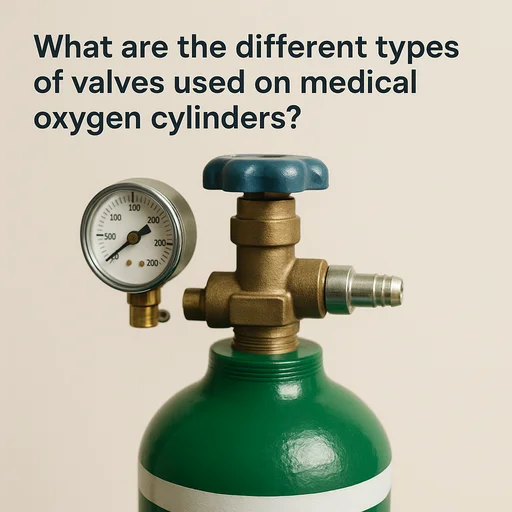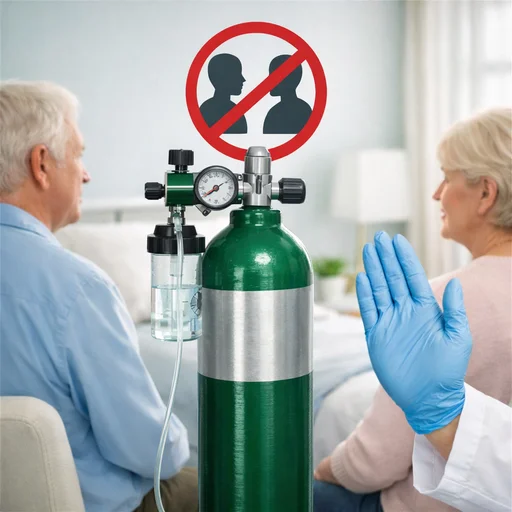
It sounds practical. One oxygen cylinder. Two patients. Maybe in a home setting, maybe during an emergency. You look at the tank and think… It’s just oxygen, right?
Not quite.
Sharing an oxygen cylinder between patients might seem harmless, even efficient. But in reality, it carries real risks that are often overlooked. Hygiene, safety, and medical accuracy all come into play. Let’s walk through what actually happens when oxygen equipment is shared… and why healthcare professionals strongly advise against it.
Why This Question Matters
Oxygen therapy is not casual care. It’s prescribed, controlled, and often life-sustaining.
Patients who rely on oxygen usually have conditions like COPD, pneumonia, or post-surgical complications. Their oxygen needs are specific. Their equipment is part of their treatment plan.
So when someone asks, “Can oxygen cylinders be shared between patients?” — they’re really asking if it’s safe to mix two medical treatments into one device.
Short answer: No. And here’s why.
The Core Issue: Cross-Contamination
Oxygen Isn’t the Problem. The Equipment Is.
The oxygen inside the cylinder is clean. Medical-grade oxygen is purified and regulated.
The problem starts at the point of delivery.
Masks. Nasal cannulas. Tubing. Regulators.
These components come into direct contact with a patient’s breath, moisture, and sometimes even bodily fluids. Once used, they are no longer sterile.
Sharing them means one thing: bacteria and viruses can transfer from one patient to another.
Even if you swap out the mask but keep the same tubing or regulator, the risk remains.
Infection Risks You Can’t Ignore
Let’s be clear. Patients who need oxygen are often already vulnerable. Their immune systems may not be strong enough to fight additional infections.
Sharing oxygen delivery equipment can expose patients to:
- Respiratory infections
- Bacterial contamination
- Viral transmission (including flu or COVID-like illnesses)
It’s not just a theoretical risk. Healthcare settings follow strict single-patient-use protocols for a reason.
The Hidden Danger: Incorrect Oxygen Dosage
One Cylinder, Different Needs
Here’s something people often miss…
Two patients rarely need the same oxygen flow rate.
One patient might need 2 liters per minute. Another might need 5. Some require continuous flow. Others need oxygen only during sleep or activity.
If both patients are connected to the same cylinder, managing these differences becomes almost impossible.
And incorrect oxygen levels can lead to:
- Oxygen deprivation
- Carbon dioxide retention
- Increased breathing distress
In short, sharing can turn a controlled therapy into a dangerous guessing game.
Equipment Damage and Pressure Issues
Oxygen cylinders are designed for single-patient setups. When you try to split or share the supply:
- Pressure regulation becomes unstable
- Flow meters may not work accurately
- Improvised connectors can leak
This isn’t just unsafe. It can waste oxygen and reduce the effectiveness of treatment for both patients.
What Healthcare Guidelines Say
Medical standards are strict on this point.
Organizations like the WHO and CDC emphasize infection control and patient-specific equipment use in oxygen therapy. Sharing delivery systems is discouraged unless in highly controlled, emergency scenarios — and even then, it’s a last resort.
At home? It should never be done.
A Better Approach: Safe Alternatives
Separate Equipment for Each Patient
If two patients need oxygen, the safest option is simple:
Each patient gets their own cylinder and accessories.
This ensures:
- Clean, uncontaminated airflow
- Accurate oxygen delivery
- Better overall patient outcomes
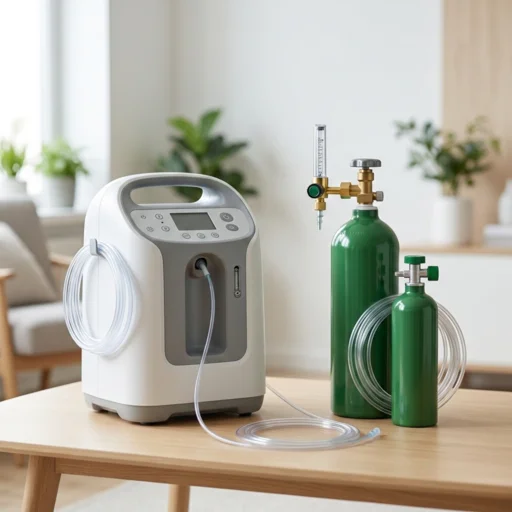
Consider Oxygen Concentrators
For long-term use, an oxygen concentrator can be a practical option. It provides a continuous supply without the need for frequent refills.
When Emergencies Happen
Now, let’s be real. Emergencies don’t always follow rules.
In extreme situations where only one cylinder is available, people may attempt to share. If that ever happens, it should be:
- Temporary
- Closely monitored
- Using separate, clean delivery accessories if possible
But this is not a solution. It’s a stopgap.
The goal should always be to move to proper, individual setups as quickly as possible.
Choosing Reliable Oxygen Support
Access to dependable oxygen supply can make all the difference. Especially in urgent situations.
At Marium Oxygen, patients and caregivers can get fast, reliable support across Dhaka. Whether it’s buying, renting, or refilling, the focus stays on safety and proper usage.
If you’re looking for cylinders specifically, you can buy from Marium Oxygen.
Their team also helps with installation. That matters more than people think. A correctly set up system reduces risks significantly.
A Quick Reality Check
Let’s pause for a second.
Sharing oxygen might feel like helping two people at once. But in practice, it often puts both at risk.
Medical care doesn’t work well with shortcuts. Especially when breathing is involved.
Key Takeaways
- Oxygen cylinders should not be shared between patients
- The biggest risk is cross-contamination through delivery equipment
- Different patients require different oxygen flow rates
- Shared setups can lead to incorrect dosing and equipment issues
- Always use separate cylinders and accessories for each patient
Final Thoughts
Oxygen therapy is simple in concept. You breathe. You get support. But behind that simplicity is a system built on precision and safety.
Cutting corners here can have serious consequences.
If you’re caring for more than one patient, don’t try to stretch a single cylinder. Get proper equipment for each person. It’s safer. It’s cleaner. And honestly… it’s the only responsible choice.
If you need guidance or quick delivery in Dhaka, reach out to a trusted provider. Ask questions. Get it set up right.
Because when it comes to oxygen, there’s no room for compromise.