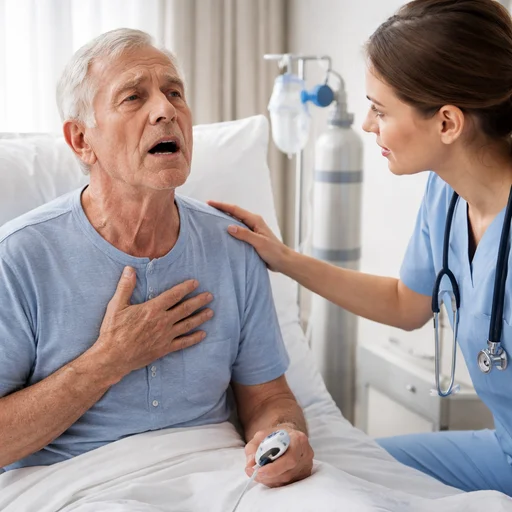
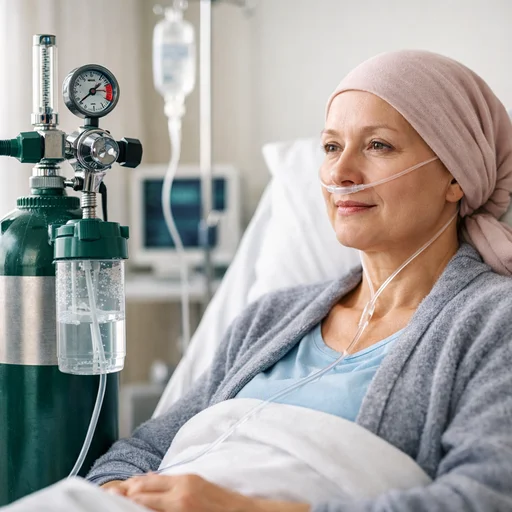
Breath is a silent rhythm. Most of us never think about it. It’s the background noise of existence, as automatic as a heartbeat. But for millions, that rhythm becomes a struggle. When the lungs can no longer pull enough life-giving gas from the air, the body enters a state of quiet desperation. This is where Long-Term Oxygen Therapy (LTOT) steps in—not as a cure, but as a lifeline that restores the balance of blood chemistry and gives people back their mobility.
If you or a loved one is navigating this path, you’ve likely wondered: Why us? Why does this specific condition necessitate a permanent companion in the form of a tank or a machine? It isn’t just about feeling “short of breath.” It is about chronic hypoxemia, a medical state where your blood oxygen levels consistently drop below a safe threshold.
Let’s look at the respiratory conditions that most frequently lead to a prescription for supplemental oxygen.
The Heavyweight Champion: COPD
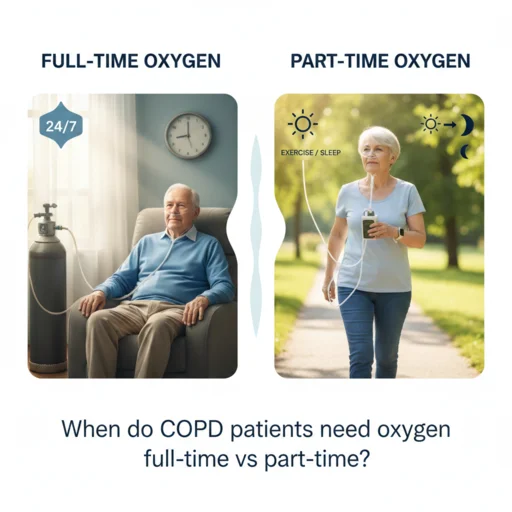
Chronic Obstructive Pulmonary Disease, or COPD, is the most common reason patients require LTOT. It is an umbrella term that usually encompasses chronic bronchitis and emphysema. In these cases, the tiny air sacs in the lungs lose their elasticity or become clogged with mucus.
The exchange of oxygen into the bloodstream becomes inefficient. Imagine trying to breathe through a handful of wet sponges. It’s exhausting. For many with advanced COPD, their lungs cannot keep up with the body’s metabolic demands, even at rest. Doctors often prescribe oxygen when the partial pressure of arterial oxygen falls below a specific point.
Living with COPD in a bustling, humid environment like Dhaka can be particularly taxing. The air quality often exacerbates symptoms, making a reliable oxygen cylinder a necessity rather than a luxury. It’s about more than just survival; it’s about having the energy to walk to the kitchen or sit through a family dinner without feeling like you’ve run a marathon.
The Scarring of the Lungs: Interstitial Lung Disease (ILD)
If COPD is a problem of “clogged” pipes, Interstitial Lung Disease is a problem of “stiff” pipes. ILD refers to a group of disorders—including Idiopathic Pulmonary Fibrosis (IPF)—where the lung tissue becomes scarred and thickened.
Scar tissue doesn’t transfer oxygen well. In fact, it doesn’t transfer it at all.
As the scarring progresses, the lungs become less pliable. They can’t expand fully. Patients often find that, while they feel okay sitting down, their oxygen levels plummet when they stand up. This “exertional desaturation” is a hallmark of the disease. Because the damage is irreversible, a high-flow oxygen concentrator often becomes the primary tool for maintaining a high quality of life. It provides a steady, filtered stream of oxygen, allowing the heart to work less and the brain to stay sharp.
Pulmonary Hypertension: The Pressure Problem
Sometimes the issue isn’t the air sacs themselves, but the blood vessels surrounding them. Pulmonary Hypertension occurs when the blood pressure in the arteries of the lungs becomes dangerously high.
The heart has to pump harder and harder to push blood through these narrowed vessels to get oxygen. Eventually, the heart begins to fail. Supplemental oxygen acts as a vasodilator in the lungs, helping to relax those vessels and ease the burden on the right side of the heart. It’s a delicate internal balancing act.
Cystic Fibrosis and the Long Road
Cystic Fibrosis (CF) is a genetic battle. It causes the body to produce thick, sticky mucus that clogs the lungs and leads to repeated infections. Over the years of fighting these infections, the lung tissue sustains permanent damage.
For many adults living with CF, LTOT becomes a standard part of their daily routine. It helps manage the chronic fatigue that comes with a body constantly fighting for air. We often see patients who use a pulse oximeter to monitor their levels throughout the day, ensuring they stay within the “safe zone” prescribed by their clinicians.
When Sleep Becomes the Enemy: OSA and Overlap Syndrome
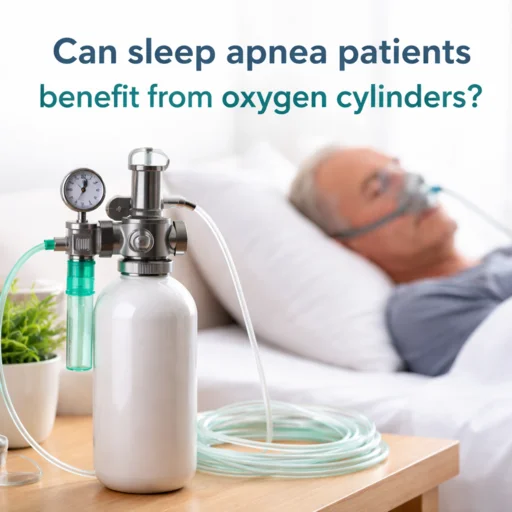
We often think of lung disease as something that happens while we are awake. But for those with Obstructive Sleep Apnea (OSA) or “Overlap Syndrome” (COPD plus OSA), the danger starts when the lights go out.
While many manage this with a CPAP machine, some patients require “nocturnal oxygen.” This is when the blood oxygen levels dip, specifically during sleep. Without intervention, this leads to morning headaches, cognitive fog, and long-term strain on the cardiovascular system.
The Reality of Living with Oxygen in Dhaka
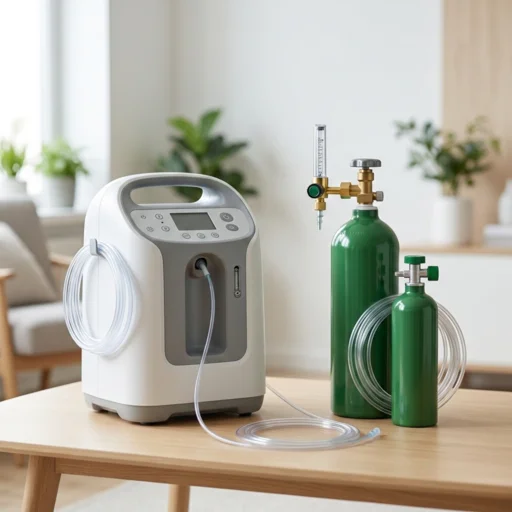
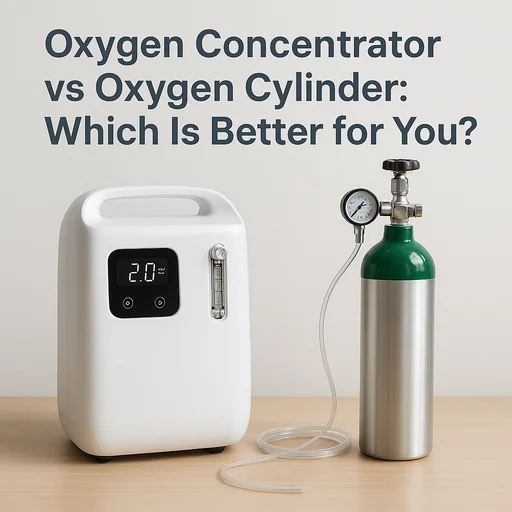
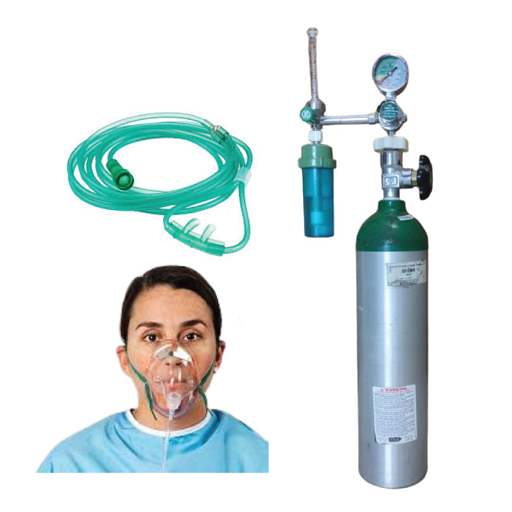
Choosing the right equipment is a massive decision. It’s personal. Do you need the portability of a lightweight cylinder for trips to the clinic? Or do you need the 24/7 reliability of a home concentrator?
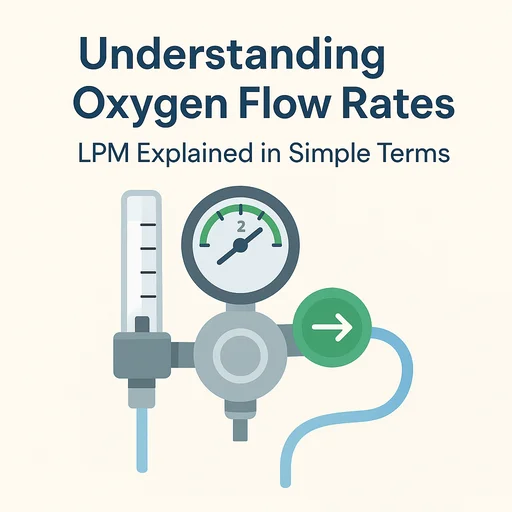
At Marium Oxygen, we understand that these aren’t just “products.” They are the tools that allow you to stay in the room—to stay part of the conversation. Serving the Dhaka division, we’ve seen how much a 60-minute delivery window matters in an emergency. We don’t just drop off a tank; we help with the installation, ensuring you know exactly how to manage your flow rates.
Whether you are looking to rent for a short-term recovery or need a permanent setup with a hospital bed and suction machine for home care, the goal is the same: dignity and comfort.
A Note on the “Why”
Long-term oxygen therapy is often misunderstood. Some worry it makes the lungs “lazy.” That’s a myth. Your lungs don’t forget how to work; they need a more concentrated fuel source to keep your organs functioning.
Oxygen therapy reduces the risk of polycythemia (where the blood becomes too thick) and helps prevent pulmonary heart disease. It’s a proactive strategy. It’s about taking control of a difficult situation.
Moving Forward
If you are dealing with any of these conditions, the transition to home oxygen can feel overwhelming. It’s a lifestyle change… a change in the scenery of your living room. But it is also a gateway to doing more of what you love.
Do you have questions about which system fits your specific lung condition? Or do you need an urgent refill in Dhaka? We are available 24/7 to help you breathe easier.