Here’s something most people don’t realize about dialysis: it can actually lower your blood oxygen levels. Not drastically. Not always. But enough that some patients need supplemental oxygen to get through their treatment sessions without feeling terrible.
If you or someone you know is dealing with kidney failure and dialysis, this is worth understanding. Because oxygen support isn’t just about breathing better. It’s about protecting your heart, preventing complications, and making dialysis less miserable.
Why Dialysis Messes with Your Oxygen Levels
Your kidneys filter waste. Everyone knows that. But when they fail and you need dialysis, your body faces a weird problem: the treatment itself can drop arterial blood oxygen levels by 5% to 23%.
Think about that for a second. You’re getting treatment to stay alive, and your oxygen levels take a hit.
Here’s what happens. During hemodialysis, blood gets pulled from your body, cleaned through a machine, and returned. Sounds simple. But the process causes several things to go wrong at once. Fluid overload can lead to pulmonary edema, pleural effusions, and upper airway obstruction. Your lungs struggle. Gas exchange gets harder. And suddenly, you’re not getting enough oxygen into your bloodstream.
But there’s more to it. Research shows that heart oxygen balance drops after 20 minutes on dialysis and hits its lowest point after 60 minutes. Your heart is working harder during dialysis, but it’s getting less of the fuel it needs. Bad combination.
The Hidden Problem: Sleep Apnea and Kidney Disease
Many dialysis patients don’t even realize they have breathing problems. Nearly one-third of hemodialysis patients show signs of sleep-disordered breathing, and half of those meet the criteria for sleep apnea.
Sleep apnea means you stop breathing repeatedly during sleep… even when you’re just dozing off during a dialysis session. Staff might notice you gasping. Or maybe they don’t notice at all. Either way, your body isn’t getting the oxygen it needs.
And here’s the kicker: sleep apnea makes everything worse. It drives up blood pressure. Hypoxia at night becomes a risk factor for heart disease in kidney patients. Poor sleep wrecks your quality of life. It’s a downward spiral that oxygen support can help interrupt.
When You Actually Need Supplemental Oxygen
Not every dialysis patient needs oxygen. But certain conditions make it necessary.
If you have anemia, your red blood cells can’t carry enough oxygen. When you’re anemic during dialysis, there’s a strong chance you should be given supplemental oxygen. Your body simply doesn’t have enough oxygen carriers to do the job.
If you have heart problems, oxygen becomes critical. A venous oxygen saturation reading below 60% indicates heart problems, and readings below 30% signal severe cardiac issues. For these patients, oxygen delivered via nasal cannula is recommended during dialysis treatments.
If you have lung disease, dialysis can push you over the edge. One study documented a patient with chronic lung disease whose breathlessness got so bad during dialysis that sessions had to be cut short. Supplemental oxygen helped, but not enough. They had to reduce treatment time.
What Oxygen Support Actually Does
When you’re on supplemental oxygen during dialysis, several things improve.
Your cells get the fuel they need. Every cell has a powerhouse called mitochondria. Oxygen powers it. Without enough oxygen, cells can’t do their job. With oxygen support, they function better.
Oxygen during hemodialysis helps transfer fluid from tissues into blood vessels. That means better fluid removal. Less swelling. Better outcomes.
Your symptoms decrease. Muscle cramping. Nausea. Blurred vision. Dizziness. Confusion. These are all signs of tissue hypoxia, which means your organs aren’t getting enough oxygen. Supplemental oxygen can reduce or eliminate these symptoms.
The Different Ways Oxygen Support Is Delivered
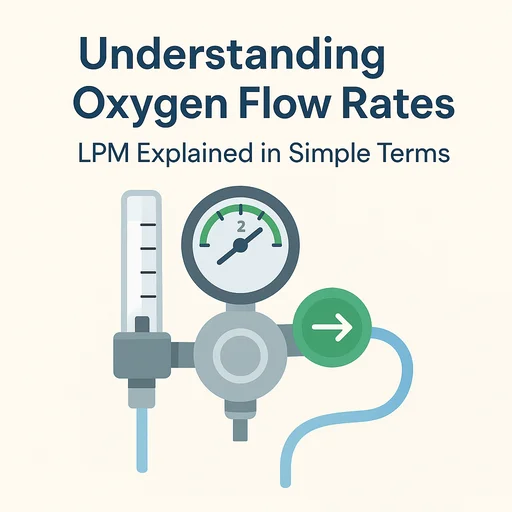
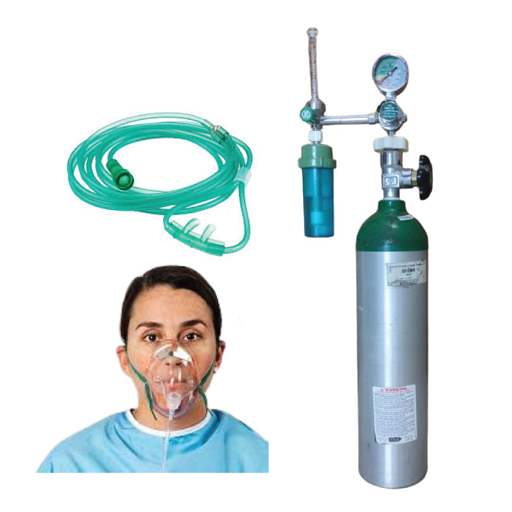
Most patients who need oxygen during dialysis get it through a simple nasal cannula. It’s non-invasive. Just a small tube that sits under your nose and delivers oxygen at 1-2 liters per minute.
Some patients need it constantly: before, during, and after dialysis. One case study showed a patient with severe dialysis headaches who got complete relief from continuous oxygen therapy at 2 liters per minute. The headaches went from 10 out of 10 pain to zero. And they stayed gone for 12 months as long as she kept using oxygen during treatment.
Others only need it during the actual dialysis session. Your doctor monitors your oxygen saturation levels and decides what works best for your situation.
For severe cases where patients need wound healing or have serious infections, hyperbaric oxygen therapy might be used. That’s a different beast entirely, involving specialized chambers and higher oxygen pressures. But for regular dialysis support, a simple nasal cannula does the job.
Monitoring Oxygen Levels During Dialysis
How do you know if you need oxygen? Measurement.
Three methods can measure oxygen levels: pulse oximetry using a non-invasive probe on your ear or finger, blood gas analysis through an arterial needlestick, or a blood volume monitor using an infrared sensor at the dialyzer.
Most modern dialysis centers use continuous monitoring. They can see your oxygen saturation in real-time and adjust treatment accordingly. If your levels drop too low, they know immediately.
Normal venous oxygen saturation is 75%, with a healthy range between 60% and 80%. When you drop below 60%, problems start. Below 30%? That’s an emergency.
What This Means for Patients in Bangladesh
If you’re dealing with kidney failure in Dhaka or anywhere in Bangladesh, understanding oxygen support matters. Not every dialysis center automatically provides it. You might need to ask for it.
At Marium Oxygen, we provide medical oxygen support for patients across the Dhaka division. If you’re getting dialysis and experiencing symptoms like extreme fatigue, confusion, or breathing difficulties during treatment, supplemental oxygen might help.
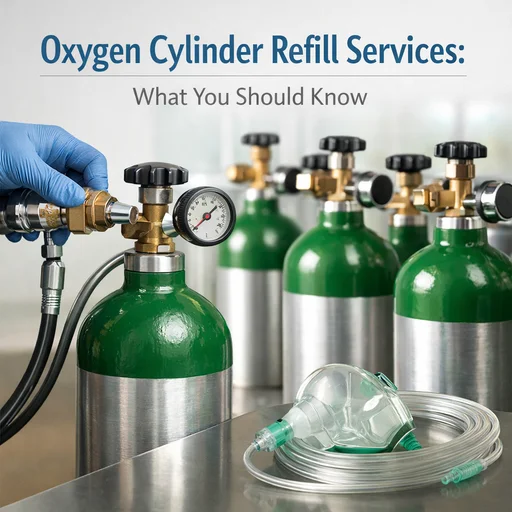
We offer oxygen cylinders and oxygen concentrators that can be used at home or coordinated with your dialysis center. Our delivery is fast—within 60 minutes inside Dhaka city—and we provide 24/7 support because oxygen emergencies don’t wait for business hours.
What This Really Means
Yes, kidney failure and dialysis patients sometimes need oxygen support. Not all of them. But enough that it’s worth understanding when and why it helps.
If you’re on dialysis and feeling worse during or after treatments—extreme tiredness, headaches, confusion, muscle cramps—talk to your doctor about checking your oxygen levels. You might be experiencing intradialytic hypoxemia, which is just medical speak for “not enough oxygen during dialysis.”
Supplemental oxygen isn’t complicated. It’s not scary. It’s just giving your body what it needs to handle the stress of dialysis. And for many patients, it makes the difference between barely surviving treatments and actually feeling okay afterward.
Your kidneys might have failed, but with the right support—including oxygen when you need it—you can still live well.