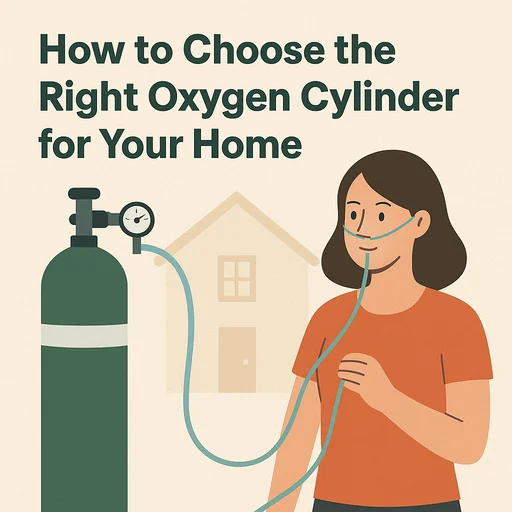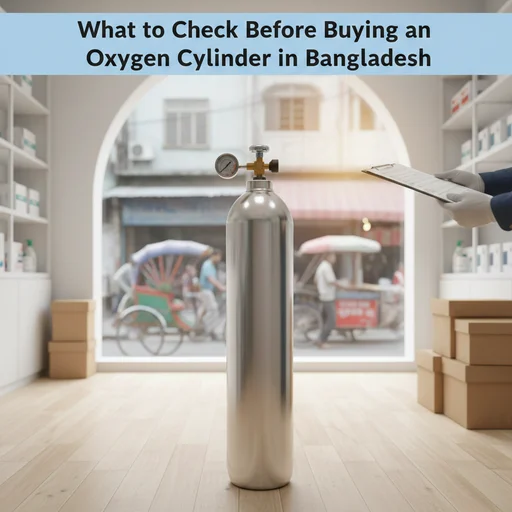
Buying an oxygen cylinder is simple in theory. In practice, it’s serious business. These tanks hold compressed gas under high pressure. A tiny mistake can cost money — or worse. This guide walks you through what to check before buying an oxygen cylinder in Bangladesh. Read it like you care about safety, value, and peace of mind. Because you should.
Know the rules and safety marks
1. Look for national standards and approvals
Medical oxygen must meet Bangladesh standards. Check that the cylinder and the gas supplier comply with the Bangladesh Standard for compressed oxygen (BDS). That standard describes purity, testing, and labeling you should expect to see on a genuine medical cylinder.
2. Hydrostatic test date and markings
Every steel oxygen cylinder needs periodic hydrostatic testing. That test checks whether the cylinder can safely hold pressure. Most cylinders have a test date stamped on the collar; if it’s older than the approved interval (usually five years), don’t buy it. Also, look for the tester’s stamp and any extension marks. Hydrostatic testing rules and practices are well-documented internationally.
3. Check the oxygen source and purity
Medical oxygen should be of medical grade. Ask the supplier about their supply chain: is the gas produced in-house, or refilled from certified plants? Ask for data on oxygen purity. Medical-grade oxygen has low contaminants and meets specific purity bands. If you want a quick primer on purity classes, there are reference charts that describe acceptable levels.
Cylinder hardware and compatibility
1. Valve and regulator type
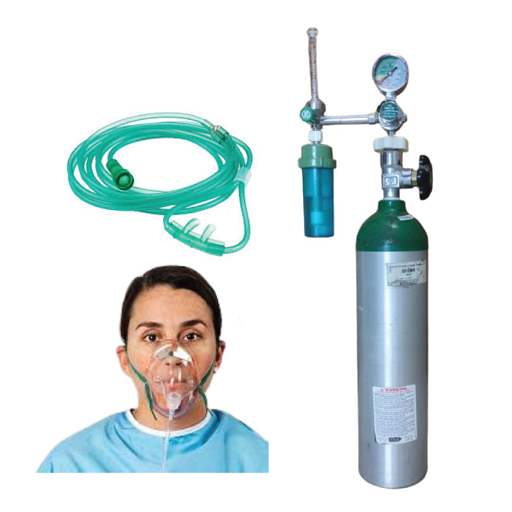
Valves are not universal. Different standards and connector types exist around the world. Make sure your cylinder valve matches the regulator and flowmeter you plan to use, or that the supplier provides the right adapter. Mismatched hardware is more than an annoyance — it’s a safety risk. A technical note on valve types is useful when you’re matching equipment.
2. Physical condition and fittings
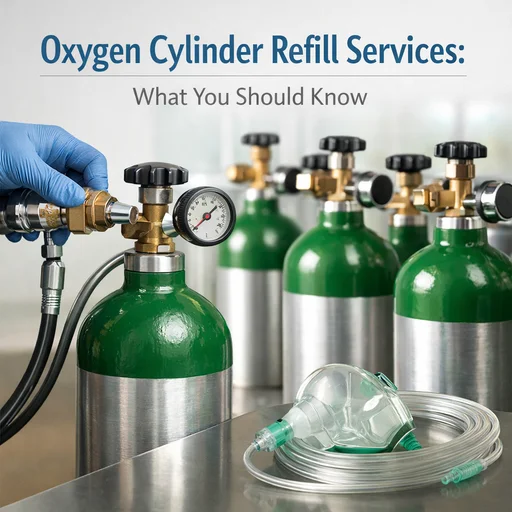
Inspect the cylinder body for deep rust, dents, or repaired cracks. Check the valve threads and handwheel for smooth action. Ensure the pressure gauge and regulator are included, or confirm the exact model they will supply. Ask for new seals and O-rings — those small parts are cheap insurance.
Supplier credentials and after-sales service
Trust the seller before you trust the tank. Verify that the supplier is government-approved and can show documentation. Confirm their delivery and installation policy. Do they offer 24/7 support? Can they swap or refill cylinders quickly? If you need installation support, choose a seller who sends trained staff to set up and demonstrate the equipment.
If you’re considering options, see product categories like oxygen cylinders and oxygen concentrators to compare long-term needs.
Practical pre-purchase checklist
- Test date: Find the hydrostatic test stamp and confirm the cylinder is within the valid interval.
- Labeling: Confirm the cylinder is marked for medical oxygen and shows the supplier name and purity, not an industrial label.Valve compatibility: Confirm the valve and regulator standard. Ask for a spare adapter if needed.
- Visual inspection: No deep dents, major rust, or poorly repaired damage.
- Purity certificate: Ask for recent analysis or certification from the refilling plant.
- Service & delivery: Check emergency refill or swap policies, delivery time inside Dhaka, installation help, and contact numbers.
- Price transparency: Get a clear breakdown for the cylinder, regulator, initial fill, and refill rates. Compare with other approved suppliers.
- Warranty & returns: Confirm the supplier’s warranty on fittings and procedure for faulty units.
Cylinder vs. concentrator: a quick note
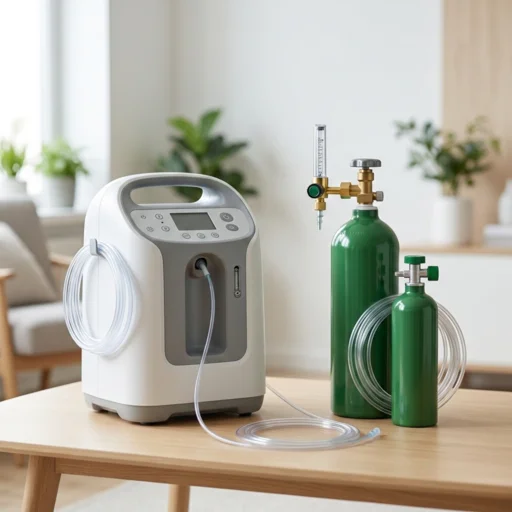
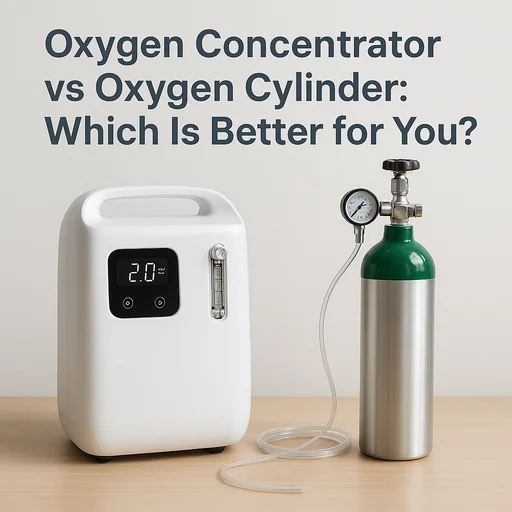
If you need oxygen for long-term home care, compare cylinders to a concentrator. Concentrators produce oxygen on site and remove the need for frequent refills. But they need steady power and maintenance. If you live where power cuts are common, a cylinder (or a backup cylinder) may still be necessary. Local comparisons can help you pick the right mix for your home.
Why local approvals matter
Working with a trusted local partner simplifies logistics. A government-approved supplier will handle documentation, safe delivery inside Dhaka, and certified refills. They usually provide trained staff for installation and 24/7 support. If you’re shopping in Bangladesh, prioritize suppliers who can confirm regulatory compliance and who offer fast, reliable service.
Marium Oxygen supplies cylinders across the Dhaka division and advertises government-approved partnership, 24/7 support, free delivery inside Dhaka, and installation help.
Conclusion
Buying an oxygen cylinder isn’t a one-line transaction. It’s a checklist of safety, standards, hardware compatibility, and supplier reliability. Start with certification and test dates. Confirm purity and valve compatibility. Check delivery, installation, and emergency support. Do that, and you buy confidence as much as you buy gas.
If you want help matching a cylinder to your needs, compare options on the Marium Oxygen product pages or call a certified supplier for a walkthrough. Your next step: inspect the hydrostatic stamp first. Then everything else falls into place.