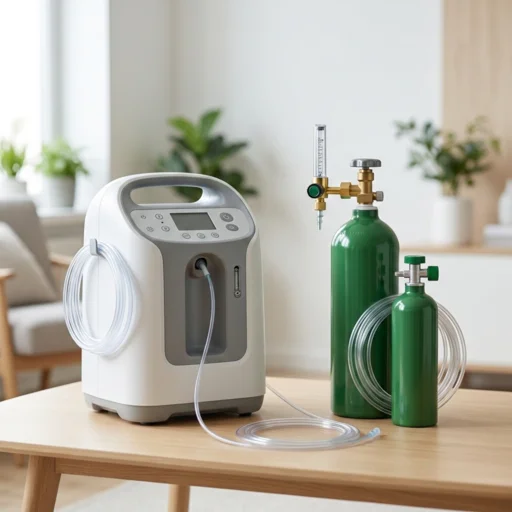
You’re sitting at home, or maybe managing a loved one’s care, and someone asks: Is the oxygen from that machine actually as good as the stuff in the cylinder? It’s a fair question. And honestly, it’s one more person who should ask before they assume one option is always better than the other.
The short answer? No, they’re not the same purity. But here’s what most people miss — that difference doesn’t always matter as much as you’d think.
How Each Device Delivers Oxygen
Before comparing purity levels, it helps to understand what you’re actually dealing with.
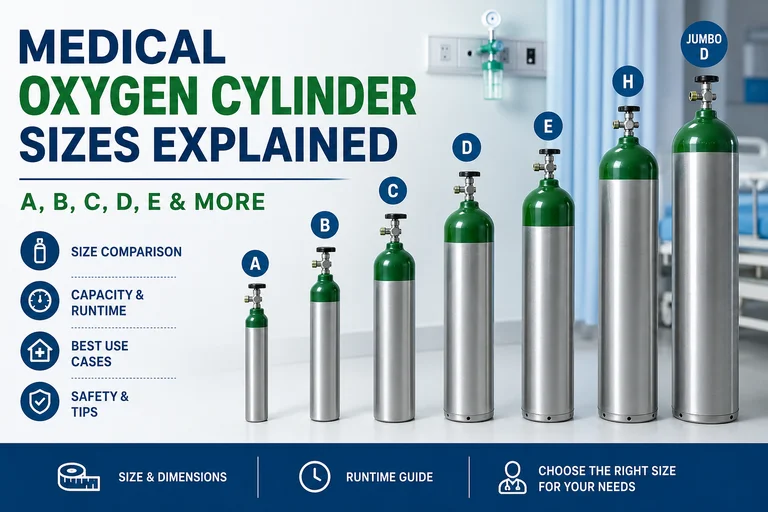
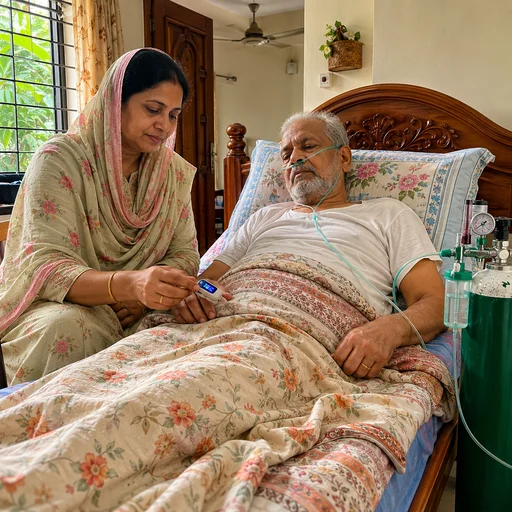
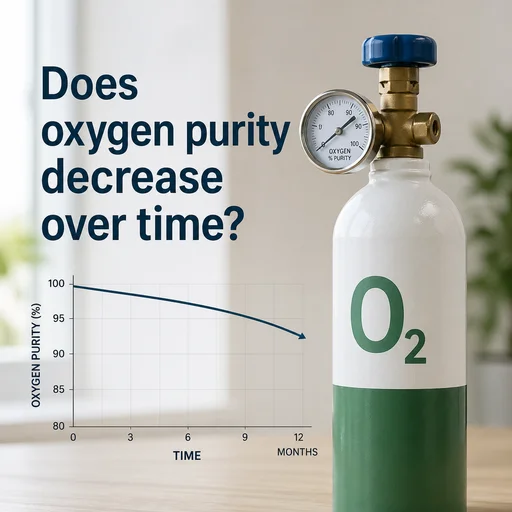
An oxygen cylinder contains compressed or liquid oxygen that was purified before being stored. According to US Pharmacopoeia standards, medical-grade cylinders must contain at least 99% pure oxygen, with most filled to around 99.5% purity. That oxygen was produced in a facility, tested, and sealed. When you open the valve, you’re getting the real thing — concentrated, pharmaceutical-grade O₂.
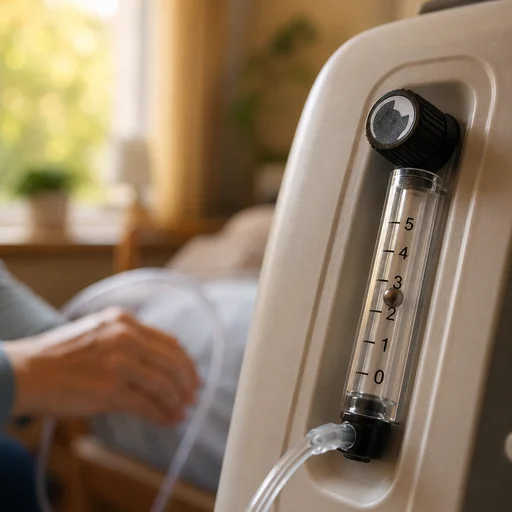
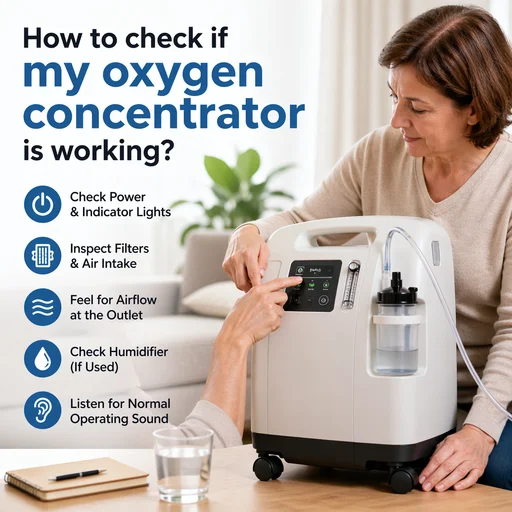
An oxygen concentrator, on the other hand, doesn’t store anything. It pulls in the air around you — the same air you’re breathing right now — and runs it through a process called pressure swing adsorption. Zeolite filters trap nitrogen and let oxygen through. What comes out the other end is typically 90% to 96% pure oxygen, depending on the device and flow rate.
So yes, cylinders win on raw purity. But keep reading.
Does the Purity Gap Actually Matter?
Here’s where things get interesting.
For most patients on home oxygen therapy — people managing COPD, recovering from respiratory illness, or dealing with chronic breathing conditions — 90% to 95% oxygen is medically sufficient. The human body doesn’t need 100% pure oxygen to benefit from supplemental therapy. Doctors prescribe based on flow rate and therapeutic need, not laboratory-grade purity.
A clinical study published on PubMed found no significant difference in oxygen saturation levels between patients using portable oxygen concentrators versus compressed oxygen cylinders during walking tests. The outcomes were comparable.
That said, purity does become a real consideration in specific situations. High-flow requirements above 10 liters per minute, surgical settings, emergency care, and certain ICU applications may call for cylinder-grade oxygen. In those cases, concentrators can fall short — especially portable models, where purity can drop below 90% at higher flow rates.
The takeaway: for routine home therapy, a concentrator is usually fine. For acute or high-demand clinical scenarios, cylinders are the stronger choice.
When a Concentrator Makes More Sense
There are real, practical reasons to choose a concentrator even with its slightly lower purity.
It never runs out. A cylinder has a fixed amount of oxygen — once it’s empty, it needs a refill. A concentrator keeps producing oxygen as long as it has power and air. For long-term, continuous therapy, that’s a significant advantage.
It’s also lower maintenance over time. No scheduling refills, no worrying about pressure gauges, no handling heavy metal tanks. For elderly patients or home caregivers managing everything alone, that matters a lot.
Cost-wise, concentrators tend to be more economical over the long run, even if the upfront price is higher.
When a Cylinder Is the Better Call
Cylinders have their own strengths, and they’re not going anywhere.
Power cuts happen. When they do, a concentrator stops working. A cylinder doesn’t need electricity — it just needs to be open. For patients in areas with unreliable power, or for emergency backup situations, keeping a cylinder on hand is not just smart, it’s necessary.
Cylinders also deliver oxygen faster in urgent scenarios. No warm-up time, no filters to cycle through. Open the valve, and you have oxygen immediately.
For patients who need high-flow rates beyond what most home concentrators can deliver, cylinders provide more consistent, higher-purity output.
The Smartest Setup: Use Both
Most respiratory care professionals will tell you the same thing. Use a concentrator as your primary device for daily therapy. Keep a cylinder as backup for power outages or emergencies.
This gives you the convenience and continuous supply of a concentrator, with the reliability of a cylinder when it counts most.
What This Means If You’re in Bangladesh
If you’re managing oxygen therapy at home in Dhaka — whether for yourself or a family member — access and reliability are everything.
Marium Oxygen supplies both oxygen cylinders and oxygen concentrators across the Dhaka division, with free delivery inside Dhaka city in 60 minutes. As a government-approved oxygen supplier available 24/7, they also handle installation, refills, and rentals — so you’re not figuring this out alone.
If you need help choosing between a concentrator and a cylinder based on your specific medical situation, your doctor is the right place to start. But when it comes to sourcing the right equipment quickly, having a reliable local supplier makes all the difference.
Final Thoughts
Cylinder oxygen is purer — that’s a fact. But purity alone doesn’t determine which option is right for you. For most home users, a concentrator delivers everything they need at a practical, sustainable level. For emergencies, high-flow needs, or backup purposes, a cylinder earns its place.
Know what your therapy requires. Talk to your doctor. And make sure whatever you choose has a dependable supply.