It’s one of those essential numbers in healthcare, a figure that dictates not just comfort, but often, survival. We’re talking about Oxygen Flow Rates, measured in a simple-sounding acronym: LPM. But what exactly is LPM, and why is finding the right setting so critical? Suppose you or a loved one relies on supplemental oxygen. In that case, you’ve likely stared at a flow meter, wondering about the science behind the tiny ball bobbing up and down.
Let’s pull back the curtain on this vital concept. It’s time to move past the mystery and feel truly informed. You deserve to be an insider in your own health journey.
The Liters Per Minute (LPM) Breakdown
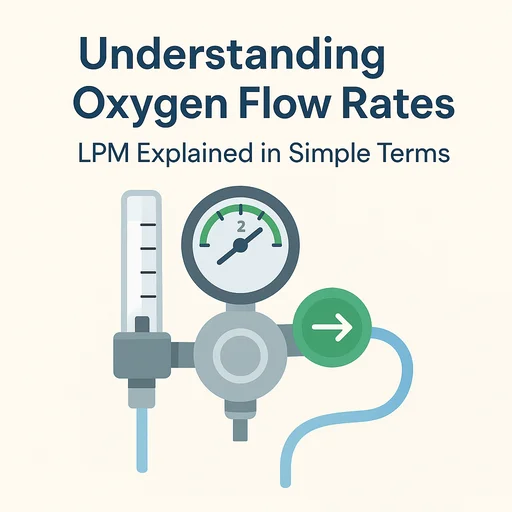
LPM stands for Liters Per Minute. Simply put, it is the measurement of the amount of oxygen gas delivered to the patient over 60 seconds. Think of it like turning on a tap. LPM is the water pressure—the volume of oxygen flowing out of the source, whether it’s an Oxygen Cylinder or an Oxygen Concentrator. It’s the standard, universal language for prescribing and setting oxygen therapy.
A doctor doesn’t just say, “Use oxygen.” They prescribe a specific flow rate—say, “2 LPM.” This means the device should be set to deliver two liters of concentrated oxygen every minute.
Why is this precise number so crucial? Because our bodies are fine-tuned machines. Too little oxygen, and you remain symptomatic, potentially facing serious health consequences. Too much? Well, that can also be a problem. Excessive oxygen can suppress the drive to breathe in some patients with chronic lung conditions, and it can also dry out the nasal passages or even be toxic over long periods. Getting the LPM right is the elegant, professional balance required for effective respiratory care.
The Critical Connection: Why Your Body Needs That Flow
Supplemental oxygen, whether provided by medical-grade devices like a concentrator or stored in a tank, is all about optimizing the oxygen saturation in your blood—a number often monitored with a device like a Pulse Oximeter. The goal is to correct hypoxemia (low blood oxygen).
When you breathe normally, you’re inhaling air that is roughly 21% oxygen. When you’re using supplemental oxygen, the device delivers air that is nearly pure oxygen (up to 95% for a concentrator). The flow rate you are prescribed determines how much of that high-concentration oxygen mixes with the air you naturally inhale, ultimately raising the overall oxygen percentage you take in.
- Low Flow (1-2 LPM): This is typically used for mild cases or for people who need a continuous, subtle boost to maintain stable saturation levels. It’s often delivered via a simple nasal cannula.
- Medium Flow (3-5 LPM): A more common range, often used for stable but symptomatic individuals who need moderate support, sometimes during physical exertion or sleep.
- High Flow (6+ LPM): This is usually reserved for more acute situations or specific, non-invasive ventilation methods.
It’s worth noting that the actual percentage of oxygen reaching your lungs (the $FiO_2$) isn’t linear with LPM, especially with a nasal cannula. It depends on your own breathing rate, depth, and technique. That’s a tangent for another day… but it underscores why clinical supervision is key!
The Importance of Expert Setup and Support
Choosing the right oxygen device for your needs—whether a portable unit for an active lifestyle or a robust unit for home use—is only half the battle. Setting the correct Oxygen Flow Rates is the other. This isn’t a DIY project. Your flow rate should always be determined and monitored by a qualified healthcare professional. They consider factors like:
- Your underlying condition (COPD, pneumonia, sleep apnea, etc.)
- Your resting oxygen saturation levels.
- How your saturation levels change during activity or sleep.
- The type of delivery device (nasal cannula, mask, etc.).
We, at Marium Oxygen, understand this necessity completely. That’s why, beyond providing quality medical Equipment like our Oxygen Concentrator options and our reliable Oxygen Cylinder units, we ensure our delivery partner helps you with the installation right here in the Dhaka Division of Bangladesh. We’re government-approved, after all, and our commitment is to provide not just the product, but the complete solution… even if it’s an unexpected, late-night call because of an Oxygen Cylinder emergency. We’re available 24/7. That’s our promise.
Flow Rate Versus Delivery Type: A Quick Look
The device you use has a direct impact on how that LPM setting feels and functions.
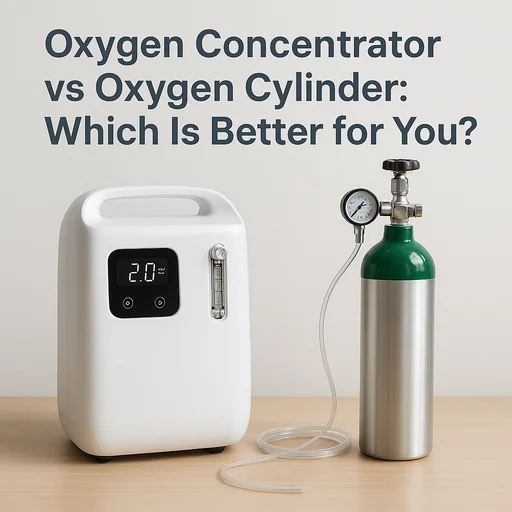
- Continuous Flow (e.g., Cylinders, Home Concentrators): This flow is exactly as it sounds: a steady stream of oxygen that runs constantly at the set LPM. If you’re on 3 LPM, 3 liters flow every minute, whether you inhale it or not. This is a very reliable standard.
- Pulse Dose/On-Demand Flow (e.g., Portable Concentrators): These smart units only deliver a “puff” or bolus of oxygen when you initiate a breath. The settings (often labeled 1-5, but not a direct LPM equivalent) are designed to give you the therapeutic equivalent of a specific continuous flow rate, conserving oxygen—a brilliant bit of engineering!
The critical takeaway? Do not adjust your prescribed flow rate without first speaking to your doctor. The prescribed LPM is your therapeutic sweet spot, carefully calculated for your unique needs. Understanding what that number means empowers you to manage your health with confidence and precision.
The Final Breath: Informed and Empowered
We’ve demystified the mighty LPM. It’s the core of your oxygen therapy—a precise setting that requires expertise, authority, and trust in the system. When you look at your flow meter now, you’re not looking at a random number; you’re looking at your doctor’s specific instruction, delivered in liters per minute, designed to keep you breathing easy.
The healthcare journey is complex, but being well-informed makes all the difference. If you have questions about your specific Equipment or need fast, reliable medical oxygen supplies in the Dhaka Division, remember we’re here to help—24/7.