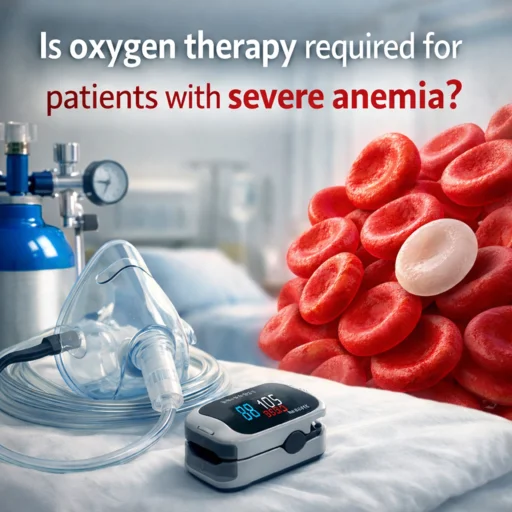
Severe anemia is not something you want to ignore. When your body doesn’t have enough healthy red blood cells to carry oxygen to its tissues, everything starts to break down. Fatigue, shortness of breath, dizziness, and, in the worst cases, organ damage. The question that comes up a lot is whether oxygen therapy can actually help. The short answer? Yes, it can. But the full picture is a bit more nuanced than that.
What Happens in Your Body During Severe Anemia
To understand why oxygen therapy matters here, you need to understand what anemia actually does to your body. Red blood cells carry oxygen through your blood via a protein called hemoglobin. Each gram of hemoglobin binds about 1.38 ml of oxygen. That’s the normal system.
When hemoglobin levels drop, your body simply cannot deliver enough oxygen to its tissues. Doctors refer to this as an “oxygen debt.” Your heart speeds up trying to compensate. Your breathing gets labored. Your brain starts to struggle. According to the Undersea & Hyperbaric Medical Society, the faster severe anemia develops, the less your body can tolerate it.
This is where oxygen therapy enters the conversation.
Why Standard Oxygen Alone Has Limits
Here’s the thing most people don’t realize. Simply breathing in more oxygen through a mask or nasal cannula does help, but it only goes so far. Under normal atmospheric pressure, oxygen dissolves into your blood plasma at very low levels. The real heavy lifting is done by hemoglobin in your red blood cells.
If your hemoglobin is critically low, standard oxygen delivery can’t make up the difference. Your blood just doesn’t have the carriers to move oxygen where it needs to go.
That’s why, in severe cases, doctors turn to something more powerful.
Hyperbaric Oxygen Therapy: The Game Changer
Hyperbaric oxygen therapy, or HBOT, is a treatment in which patients breathe pure oxygen in a pressurized chamber. The increased pressure forces oxygen to dissolve directly into the blood plasma itself, bypassing the need for red blood cells entirely.
The numbers are striking. Research published at MedStar Health notes that breathing room air at normal pressure produces a blood oxygen level of roughly 100 mmHg. Under hyperbaric conditions, that number shoots up to over 1,600 mmHg. That’s a massive jump. Enough, in many cases, to meet the body’s oxygen needs on its own.
This idea actually dates back to the 1950s. A Dutch surgeon named Boerema ran experiments on piglets, draining their blood to dangerously low hemoglobin levels and then placing them in hyperbaric chambers. As documented in a BMJ case report, the animals survived despite having hemoglobin levels that would normally be incompatible with life. The oxygen dissolved directly into their plasma, keeping them going.
Since then, dozens of human case reports have confirmed what Boerema saw in the lab.
When Is Oxygen Therapy Actually Required?
Not every anemia patient needs hyperbaric oxygen. It depends on the situation. Here are the main scenarios where it becomes necessary or strongly recommended.
When Blood Transfusion Is Not an Option
Some patients cannot receive blood transfusions due to religious beliefs, immune reactions, or a lack of compatible donor blood. For these patients, HBOT is not just helpful. It can be life-saving. The FDA has approved HBOT as a treatment for severe anemia, and it is recognized by the Centers for Medicare and Medicaid Services as a medically appropriate intervention.
During Acute Blood Loss
Trauma, surgery gone wrong, or internal bleeding can cause hemoglobin to crash fast. In these emergencies, HBOT acts as what doctors call “bridge therapy.” It keeps oxygen flowing to vital organs while surgeons or other treatments address the underlying problem. A 2024 review in Frontiers in Medicine supports the use of HBOT as an adjunct in the acute resuscitation of severely anemic patients.
When End-Organ Damage Is a Risk
If a patient’s hemoglobin drops low enough to threaten the heart, brain, or kidneys, waiting for red blood cells to recover is not an option. Oxygen therapy becomes urgent at that point.
What Does the Treatment Actually Look Like?
A typical HBOT session for severe anemia involves the patient sitting or lying in a pressurized chamber while breathing 100% oxygen. Sessions usually run between 60 and 90 minutes, with short air breaks built in to reduce the risk of oxygen toxicity. StatPearls at NCBI notes that patients with more severe symptoms may need treatment two to three times a day, with the frequency adjusted based on their response.
The effects are real but temporary. Tissue oxygen levels rise during and shortly after each session. That’s why repeated treatments are usually needed until the body can rebuild its red blood cell count on its own.
Risks and Side Effects
HBOT is generally safe when done properly, but it’s not without risks. Middle ear discomfort is the most common complaint. In rare cases, oxygen toxicity or lung irritation can occur, though air breaks during sessions usually prevent this. Patients with diabetes should be monitored for blood sugar drops. The key point is that this is not a DIY treatment. Proper medical oversight is non-negotiable.
Supporting Recovery at Home
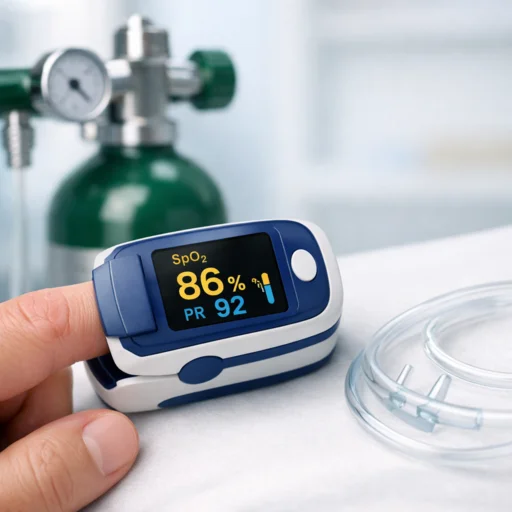
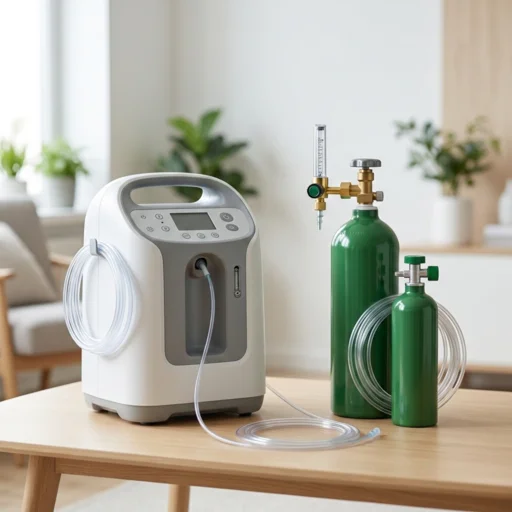
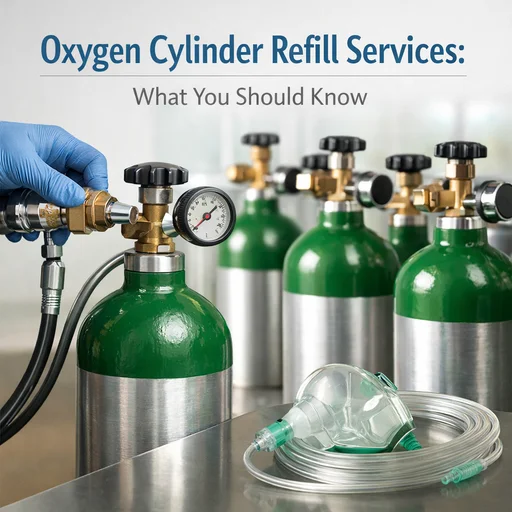
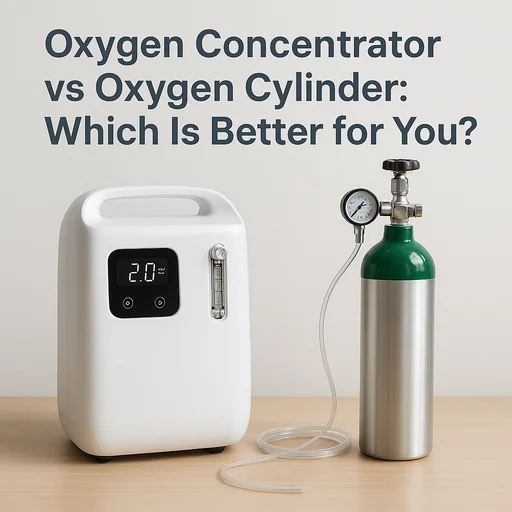
Once the acute phase is managed, patients often need continued oxygen support at home. A pulse oximeter is a smart tool to have on hand, letting you track oxygen saturation levels between doctor visits. If supplemental oxygen is prescribed, reliable oxygen cylinders or an oxygen concentrator can make recovery more comfortable. For patients in Bangladesh, Marium Oxygen supplies government-approved medical oxygen equipment across the Dhaka division with free delivery and 24/7 support.
Let’s Wrap This Up
Oxygen therapy is not always required for anemia. Mild cases respond well to iron supplements, dietary changes, or treating the root cause. But when anemia is severe, especially when hemoglobin drops to critical levels or transfusion is not possible, oxygen therapy becomes one of the most important tools available.
Hyperbaric oxygen therapy, in particular, has a strong and growing track record. It buys time, protects organs, and in some cases saves lives. If you or someone you know is dealing with severe anemia, talk to your doctor about whether oxygen therapy is the right step. It is not something to guess at.