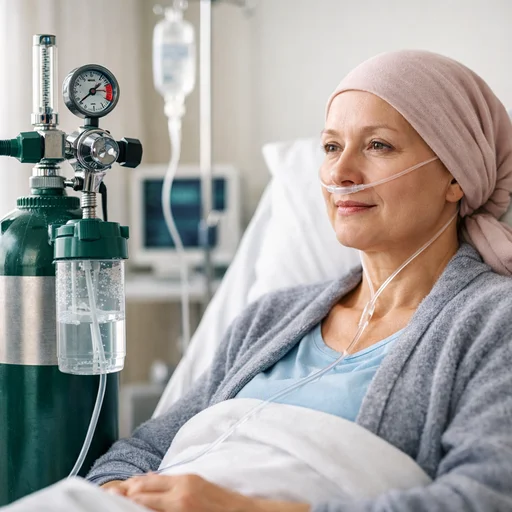
The rhythm of life is often measured in the simplest of acts: the inhale and the exhale. We rarely think about it until that rhythm falters. For those navigating the complexities of cancer treatment, breath can sometimes feel like a luxury rather than a given. It is a reality that many families face, yet it is rarely the first thing discussed in the doctor’s office.
The question often arises during the midnight hours or after a particularly draining round of therapy: Can cancer patients require oxygen cylinders during treatment? The answer is a nuanced yes. It is not a sign of defeat, but rather a tool for stability. Whether it is a temporary bridge during recovery or a long-term companion, supplemental oxygen serves to ease the burden on a body already working overtime.
Why Cancer Patients May Need Supplemental Oxygen
Not every cancer journey involves a struggle for air. However, several factors can make breathing a labor-intensive task. Understanding these triggers helps demystify why a doctor might prescribe an oxygen cylinder for home use.
The Impact of Lung-Specific Cancers
It seems obvious, but tumors located within the lungs or the chest cavity are the primary reason for respiratory support. These growths can physically block airways or reduce the surface area available for gas exchange. When the lungs cannot pull in enough air to saturate the blood, the heart has to pump faster, leading to exhaustion.
Metastasis and Secondary Complications
Cancer is rarely a static traveler. If it spreads to the lungs from other parts of the body—like the breast or colon—the respiratory system feels the weight. Beyond the tumors themselves, many patients experience pleural effusion. This is a fancy way of saying fluid has built up around the lungs, squashing them and making it impossible to take a deep, satisfying breath. It’s like trying to inflate a balloon inside a tight jar.
Treatment Side Effects
Sometimes, the very things meant to heal us cause their own sets of hurdles. Certain chemotherapy drugs carry a risk of lung toxicity, causing inflammation or scarring. Similarly, radiation therapy aimed at the chest can lead to radiation pneumonitis.
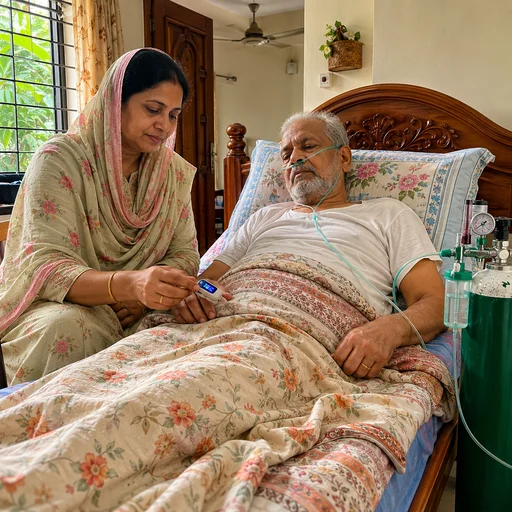
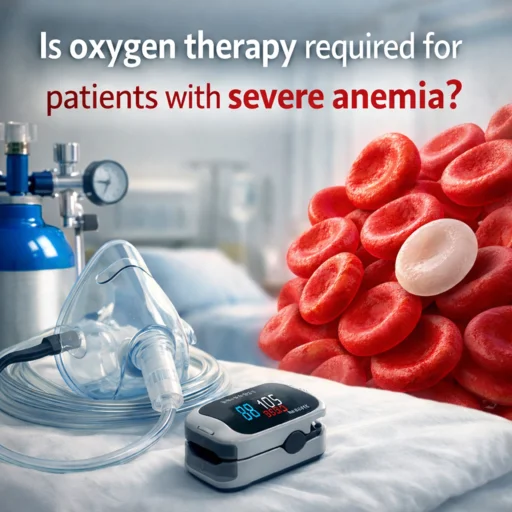
And then there is anemia. Chemotherapy often lowers the red blood cell count. Since these cells are the couriers that carry oxygen to your tissues, a low count means your body is starving for air, even if your lungs are technically clear. In these moments, a pulse oximeter becomes a vital tool to monitor how much oxygen is actually reaching the finish line.
Managing Dyspnea: The “Air Hunger”
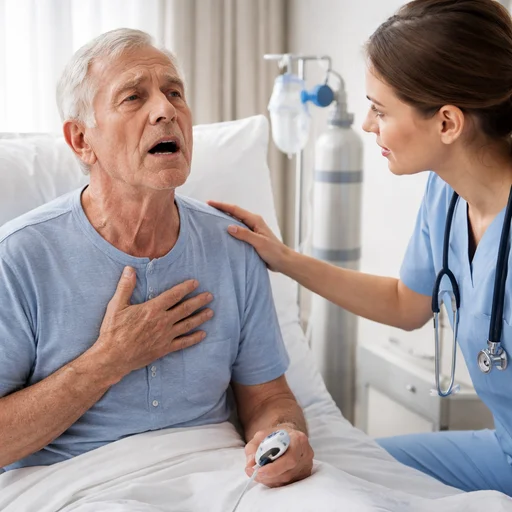
Doctors call it dyspnea; patients call it air hunger. It is that uncomfortable sensation of not being able to get enough air into the lungs. It is one of the most distressing symptoms a person can experience. It triggers anxiety, which in turn makes breathing even harder. It’s a cycle that needs to be broken.
Using supplemental oxygen can significantly lower this distress. It isn’t just about the numbers on a screen; it’s about the comfort of the person in the chair. Sometimes, even if oxygen levels are “normal,” the cooling sensation of air moving through a nasal cannula can trick the brain into feeling more at ease.
… It’s those small comforts that matter most during the long haul of recovery.
Oxygen Cylinder vs. Oxygen Concentrator: Which is Better?
When the decision is made to bring oxygen into the home, the next hurdle is choosing the delivery method. Each has its place depending on the patient’s mobility and the frequency of use.
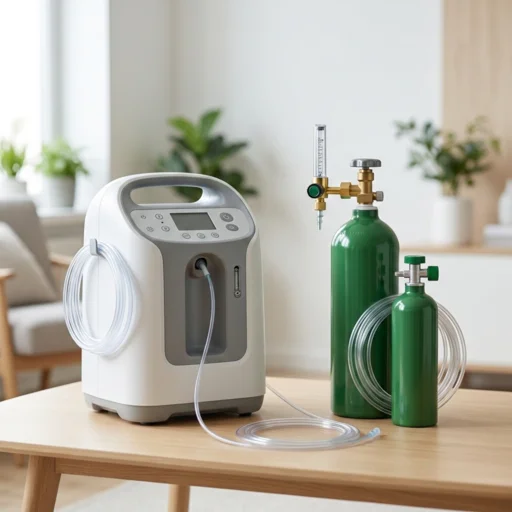
Oxygen Cylinders: These are the classic, high-pressure tanks. They are reliable because they don’t require electricity. If you live in an area where power cuts are common—a reality we know well here in Dhaka—having a medical oxygen cylinder is a non-negotiable safety net. They are silent and provide high flow rates when needed.
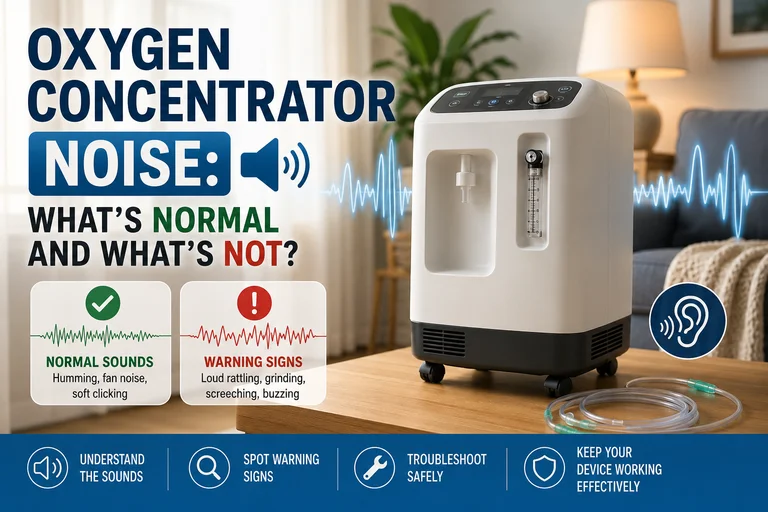
Oxygen Concentrators: These machines are the modern workhorses. They pull in room air, filter out the nitrogen, and deliver purified oxygen. An oxygen concentrator is ideal for those who need a constant supply 24/7, as you never “run out” of air as long as the machine is plugged in.
Most families find that a combination works best: a concentrator for daily use and a cylinder for backup or when traveling to the hospital.
The Role of Home Care and Comfort
Cancer treatment is exhausting. Most patients prefer to spend as much time as possible in their own environment, surrounded by family rather than sterile hospital walls. Setting up a “healing station” at home can make a world of difference.
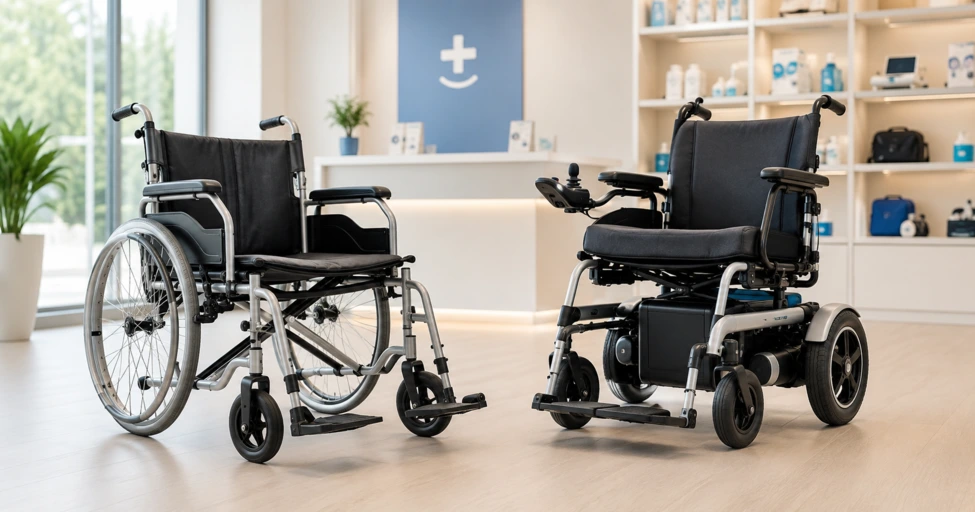
This often includes more than just oxygen. A hospital bed with adjustable head settings can help a patient sit upright, which naturally opens the lungs and makes breathing easier. For those who find it hard to move between rooms, a wheelchair ensures they aren’t exerting themselves and wasting precious breath on a trip to the dining table.
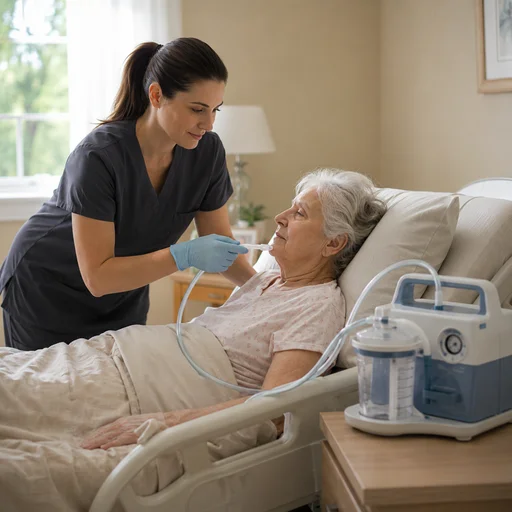
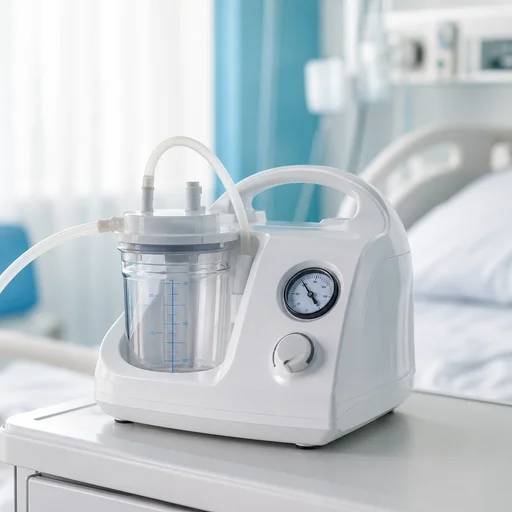
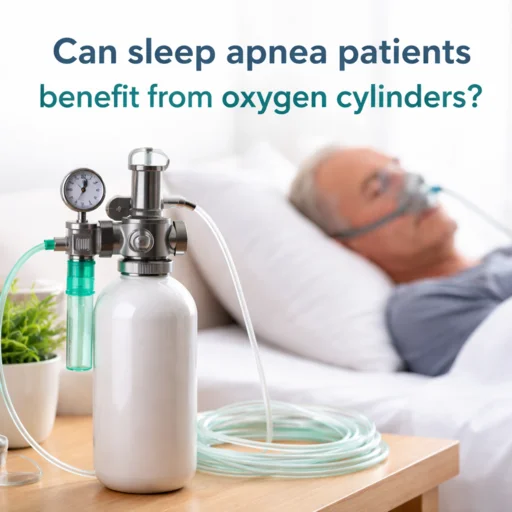
It’s about building an ecosystem of support. If the patient also deals with sleep apnea or heavy snoring that disrupts their rest, a CPAP machine might be part of the conversation. If they have trouble clearing secretions, a suction machine can be a literal lifesaver.
Finding a Reliable Partner in Dhaka
When you are dealing with a cancer diagnosis, the last thing you want to worry about is whether your oxygen tank will arrive on time. You need a partner who understands the urgency.
At Marium Oxygen, we have spent years supporting families across the Dhaka division. We aren’t just selling equipment; we are providing a lifeline. We know that an emergency doesn’t wait for business hours. That is why we operate 24/7.
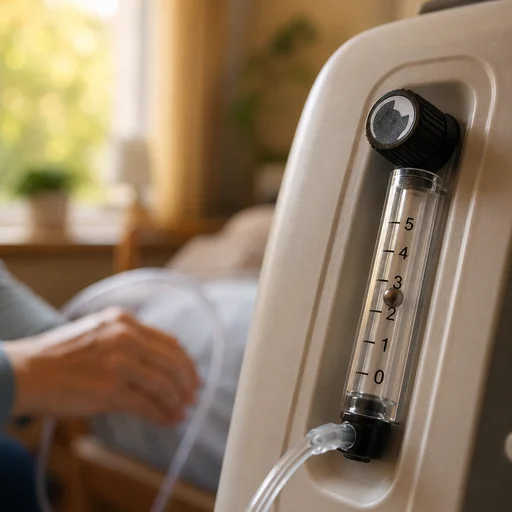
If you are in Dhaka city, we can get an oxygen cylinder to your doorstep within 60 minutes. Our delivery partners don’t just drop the tank at the door; they help you install it and show you how to use the regulator. We are a government-approved supplier, which means you can trust the quality of the gas and the safety of the equipment. Whether you need to buy, rent, or simply get a refill, we are here to make sure you never have to worry about the next breath.
A Final Thought on Breathing Easier
Living with cancer is a test of endurance. It requires a lot of the patient and the caregivers. Supplemental oxygen shouldn’t be viewed with fear. Instead, look at it as a way to reclaim energy. When your body doesn’t have to fight for every breath, it can focus its resources on healing, resting, and spending quality time with loved ones.
If you find that walking from the bedroom to the kitchen feels like a marathon, or if you notice a lingering blue tint to the lips or fingernails, talk to your oncologist. It might be time to bring in some extra support.
Would you like us to help you determine which oxygen setup fits your home environment best?